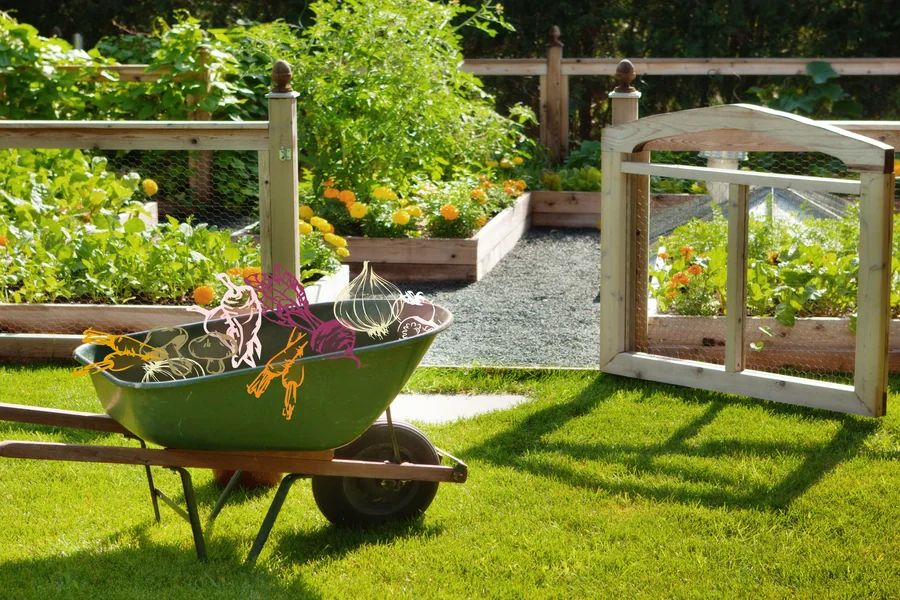
One of the most rewarding projects that a homeowner can do is a backyard garden. You may need to grow fresh vegetables, a beautiful garden, a relaxing outdoor area, or even help local wildlife replace an ordinary yard with a productive and pleasant one, and learning How To Build A Backyard Garden can help you create one.
The common belief is that one needs a lot of experience or a good size of land to engage in gardening. The thing is that, successful gardens are of all sizes. A small backyard can give adequate space to the garden including vegetables, herbs as well as flowers and ornamental plants. It boils down to considerate planning and knowledge of the fundamental tenets of garden design and care.
There are more advantages to a backyard garden than visual pleasure. Gardening has the potential to promote outdoor activities, decrease stress, make fresh food available, and enhance appreciation of the natural environment. It also provides time to enjoy with family and acquire precious skills with time.
Although the process might appear daunting initially, creating a garden will be a lot easier when divided into steps. Even novices can make a constructive and appealing outdoors environment with appropriate preparation and expectations.
Planning Your Garden Before You Start
A plan is the key to every successful garden.
The available space should be assessed prior to buying plants or setting up a hole in the ground. Go around your backyard and see the daytime flow of sunlight. A majority of vegetables and most flowering plants need no less than 6 to 8 hours of sunlight per day.
The knowledge of the conditions of your yard will assist in knowing which plants will prosper. Partially shaded areas might be more accommodating to some flowers, greenery, or to shade-resistant species.
Reflect on your gardening objectives. Other individuals put food production in the first place and pay attention to vegetables and herbs. Other people like flower gardens which are colorful and which make it look attractive.
Space constraints are to be taken into account as well. A little, neatly tended garden frequently yields better than a big area which is hard to care.
It can be beneficial to draw a basic layout. Mark paths, planting beds, water features and any other structures present which might interfere with design.
Preplanning minimizes errors, and is useful in ensuring that plants are given ample space to develop.
With a careful design, a better structure is made in order to ensure success of long term gardening.
Choosing the Best Location and Preparing the Soil
The site is a significant factor in the performance of gardens.
One of the most crucial factors is sunlight. The majority of edible plants and most varieties of flowers are cultivated in sunny places. Placing a location with the right amount of light exposure can greatly enhance growth and productivity.
Another factor is the availability of water. Gardens that are close to a hose or irrigation system can be usually maintained easily.
Proper drainage is also essential. Rainwater can leave areas waterlogged, and this can pose problems to numerous plant species.
After the site is chosen, emphasis should be made on soil preparation.
Healthy soil has the nutrients, structure, and water retention, that plants need to be healthy. Start by clearing the site where the planting is going to take place by taking out the weeds, grass, rocks, and other debris.
Compost or organic matter can be added to enhance the quality of soil. Different organic amendments are possible to boost nutrient supply and promote the beneficial microorganisms.
Conducting tests of soil conditions can be helpful in indicating nutrient content and pH levels. Although soil testing is not a must-have tool in the hands of beginners, it may be used to get the growing conditions optimized.
When properly prepared, soil can be the deciding factor of a successful garden.
Putting time in this step normally gives result to healthier plants and good growth over the season.
Selecting Plants for Your Backyard Garden
Choosing plants ought to represent your purposes and the places you will grow.
Novices usually find it more advantageous to select plants that are reputed to be dependable and simple to take care of. It is best to start with small steps that can be dealt with in order to develop confidence and gardening skills.
Tomatoes, peppers, lettuce, cucumbers, beans and herbs are common in vegetable gardens. The popularity of these plants is due to their potential to yield good harvests and comparatively easy maintenance.
The possibilities of flower gardens are limitless. Annual flowers will give season color, perennials are repeated year after year with due care.
Special care should be given to native plants. They do not need a lot of water, fertilizer or maintenance as compared to non-native species since they are adjusted to the local conditions.
The integration of the plant types will help to provide visual interest and also enhance biodiversity.
Look at adult size of the plants when making selections. Overcrowding may lower the airflow, raise the risk of diseases, and decrease the potential of growth.
Making sure you read the labels on plants and research to determine what you need to grow is important in making sure that you choose the plants compatible with your particular environment.
By selecting the right plants initially, there are high chances of success in the long run.
Selecting in balance is an ingredient of beauty and functionality.
Building Garden Beds and Organizing Your Space
The interest of garden beds will affect the outlook and other maintenance needs.
Raised beds have gained popularity due to a number of benefits. They enhance drainage, make it easier to handle the soil and help in saving on large scale digging.
In-ground gardens are still useful, too. They tend to use less in the form of material and are able to cover larger planting areas.
Well organised pathways are more accessible and prevent compaction of soil. Pacing on the planting beds should be avoided as it can adversely impact the root growth and the soil conditions.
Planting plants based on their height will help to improve the aesthetic and production. Depending on exposure to the sun, taller plants tend to thrive in the rear of beds or the north side of the garden.
Plants that have common water and sunlight requirements may be grouped to make maintenance easier.
Another beneficial addition is mulch. Organic mulch assists in trapping moisture, weeds and controlling the soil temperature.
An organized garden would be less difficult to maintain and be more beautiful.
Well-considered layout will help to save both time and effort during the growing season.
Being well-organized will also enjoy the gardening process.
Watering, Feeding, and Maintaining Your Garden
Garden health is always maintained through regular treatment.
The watering requirement is different based on the climate, the type of soil, the selection of the plants and the weather conditions. Overall, deep infrequent watering may promote stronger root development as compared to frequent shallow watering.
It is often assumed that early morning is an ideal time to water due to the less evaporation (compared to late morning or night) and the need to have foliage dry up during the day.
Fertilization helps in the growth of plants because it replenishes nutrients. Organic fertilizers and compost would be a good source of nutrition and help in enhancing soil health.
Weed control needs to be a continuous process. Weeds also end up competing with valuable plants on water, nutrients, and sunlight.
Periodic check-ups are useful in detecting possible issues early enough before they get out of proportions. The observation of pests, diseases or nutrient deficiencies can help to act in time.
There is also the use of pruning and harvesting that make the garden healthy. Clearing dead growth and picking mature produce will often promote further production.
Perfection is less important than consistency. Limited dosages of routine care normally yield improved outcomes compared to the infrequent vigorous efforts.
Creating a routine is one method that is used to ensure that critical activities are accomplished during the season.
Good gardens are constructed with continuous care and attention.
Common Beginner Mistakes and How to Avoid Them
The problems that are faced by many novice gardeners in the first growing season are alike.
Over planting and over planting too fast are just one of those mistakes. Beginners can learn on a small area so as not to be overwhelmed.
Disregarding the needs of sunlight might also result in discouraging outcomes. Plants in inappropriate positions can do nothing much no matter what they do.
Another common problem is that of overwatering. Plants require moisture but when over-watered, it causes root damage and disease.
Lack of good spacing may lead to congestions. Planting within the suggested spacing improves air circulation and health of the plants.
Lack of care on the quality of soil tends to reduce the performance of gardens. A healthy soil is one of the most crucial considerations in successful gardening.
Impatience may be a problem as well. Gardens take a long time to mature, and failure is a regular aspect of the process of learning.
Taking any errors as learning experiences can help develop confidence and experience.
It is not a problem that is faced by every gardener. Constant perseverance and monitoring can result in progress.
The most successful gardeners are the ones that keep learning season after season.
Read More: Fun Outdoor Games For Adults at Parties and Gatherings
Final Thought
The Book Learning How To Build A Backyard Garden is an investment towards outdoor space and your well-being. Gardening is rewarding in many ways: you may want to grow vegetables, flowers, attract pollinators, or just make a relaxing getaway.
Success will start with proper planning, soil preparation, proper selection of plants and maintenance. Although no garden can be said to be free of difficulties, a desire to learn and change is usually a good step towards gradual improvement.
Backyard garden does not require large and complex background. Even the limited areas can be beautiful, offer fresh food, and a chance to communicate with nature.
Gardening is a process that can be as satisfactory as the outcomes. Growing plants, seeing flowers bloom and harvests emerge give one the feeling of achievement that is rarely experienced in other hobbies.
It requires time, planning and constant attention, but your backyard can be a wonderful and productive garden, which will keep getting better each year.
FAQs
How much space do I need to build a backyard garden?
Gardens can be created in spaces of almost any size. Even small backyards can support vegetables, herbs, flowers, or container gardens.
What is the best location for a backyard garden?
Most gardens perform best in areas that receive at least six to eight hours of sunlight and have access to water.
Should I use raised beds or plant directly in the ground?
Both methods can work well. Raised beds offer improved drainage and soil control, while in-ground gardens often accommodate larger spaces.
What are the easiest plants for beginners?
Tomatoes, lettuce, herbs, beans, marigolds, and many native plants are often considered beginner-friendly options.
How often should I water my garden?
Watering frequency depends on weather, soil, and plant types. Deep watering several times per week is often more effective than daily shallow watering.
How can I improve my garden soil naturally?
Adding compost, organic matter, and mulch can improve soil structure, nutrient content, and moisture retention over time.
Leave a Reply