A Script Everyone Already Knew
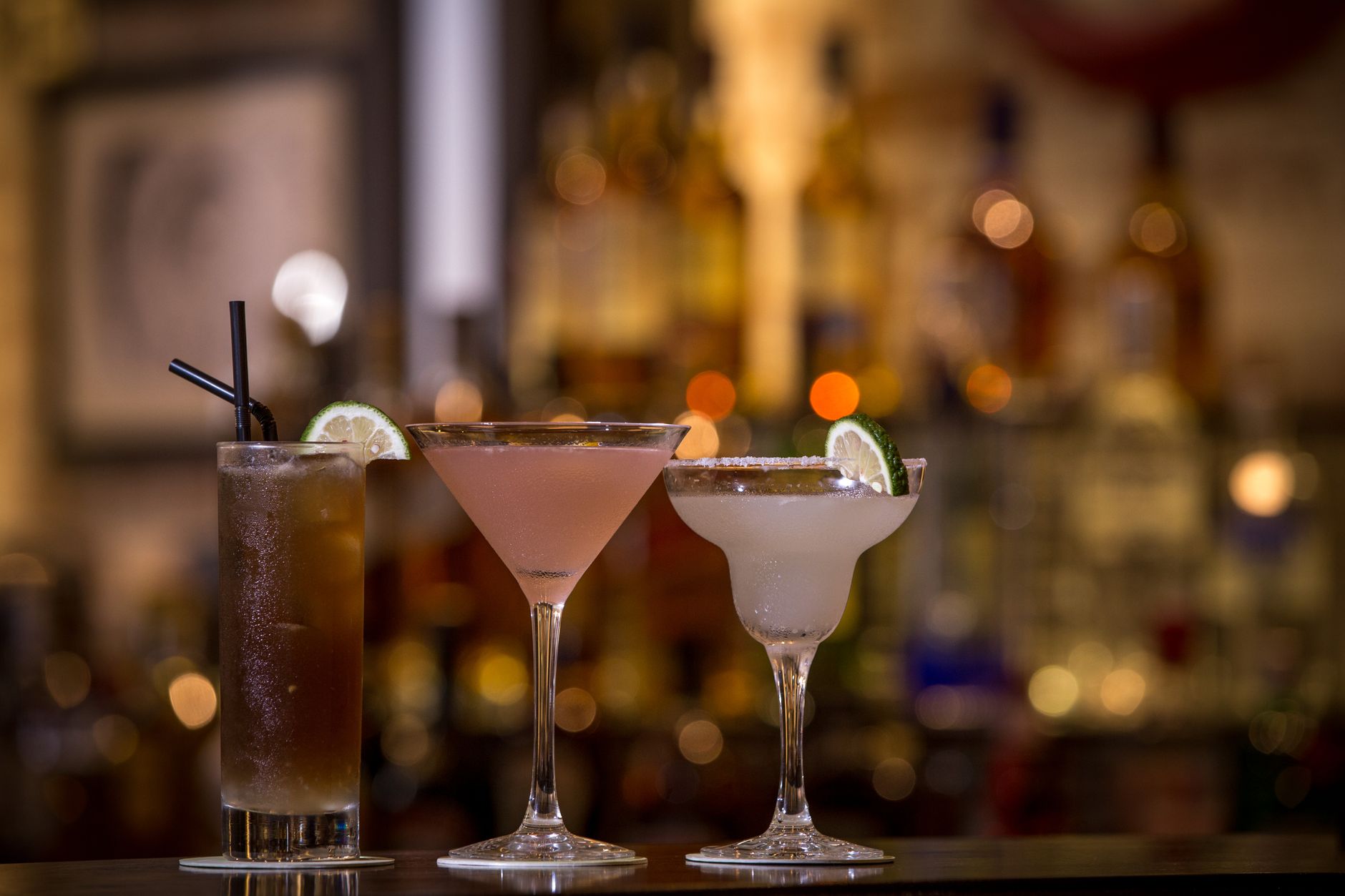
For most of the last century, the cocktail hour had a pretty fixed shape: a shaker, a few bottles of spirits, maybe a jar of olives, and a script everyone already knew. Show up, pour something strong, talk until the ice melts. That script is being rewritten, and not by people who've sworn off having a good time — quite the opposite.
A growing number of hosts are treating the drink cart the way they treat the playlist: something to be curated, not defaulted to. The shift isn't really about avoiding alcohol out of guilt or restriction. It's about wanting the evening to feel intentional. People are asking better questions before they buy a bottle of anything: How do I actually want to feel three hours from now? Do I want a fuzzy morning, or do I want to remember the conversation?
A Wider Bar Cart
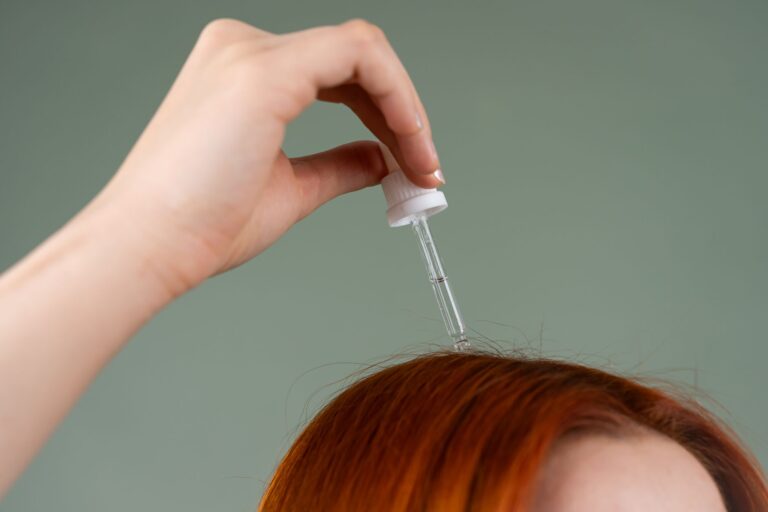
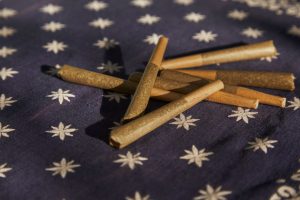
That question has opened the door to a wider category of options at the bar cart. Sparkling teas, adaptogenic tonics, zero-proof spirits styled like the real thing, and — for the cannabis-curious — small-format infusions that mix into a glass the same way bitters or syrup would. This is part of what's introducing THC mixers to people who've never thought of cannabis as a "drink" category at all, but rather as something separate from how they socialize. The line between "cannabis product" and "party accessory" is getting blurrier, in a way that mirrors how low-ABV beer or NA wine slowly became normal menu items rather than niche substitutes.
The Ritual Hasn't Changed
What's interesting is how little the actual social choreography has changed. People still gather around a counter while someone stirs something. They still argue about whether lime or lemon is better in a given recipe. They still linger by the ice bucket because that's where the conversation always seems to start. The ritual of making a drink together — measuring, tasting, adjusting — has turned out to be more important to the vibe of a gathering than what's actually inside the glass.
This matters for anyone hosting more casual, lower-stakes get-togethers. A backyard hang, a game night, a Sunday brunch that isn't trying to be a brunch cocktail bar — these are the settings where flexibility pays off. Having two or three "stations" instead of one fixed bar setup means nobody has to explain why they're not drinking, or apologize for wanting something lighter. It just becomes one more option on the table, next to the sparkling water and the bottle of red.
Why Options Keep People Around Longer
There's also a practical upside for hosts: a wider drink menu tends to keep people around longer, not shorter. When the only choice is "drink or don't," some guests quietly opt out and check the clock earlier than they'd like to. When there's a spread of things to try — a herby mocktail, a citrusy soda, something a little more experimental — people linger to compare notes, and that's usually where the best conversations happen anyway.
None of this requires anyone to overhaul their taste or their values. It's less a movement and more a widening of what "having a drink" can mean on a given night. The bar cart isn't disappearing; it's getting a few new shelves. And the people filling those shelves aren't necessarily giving anything up — they're just paying closer attention to how the evening actually goes, and building it accordingly.