
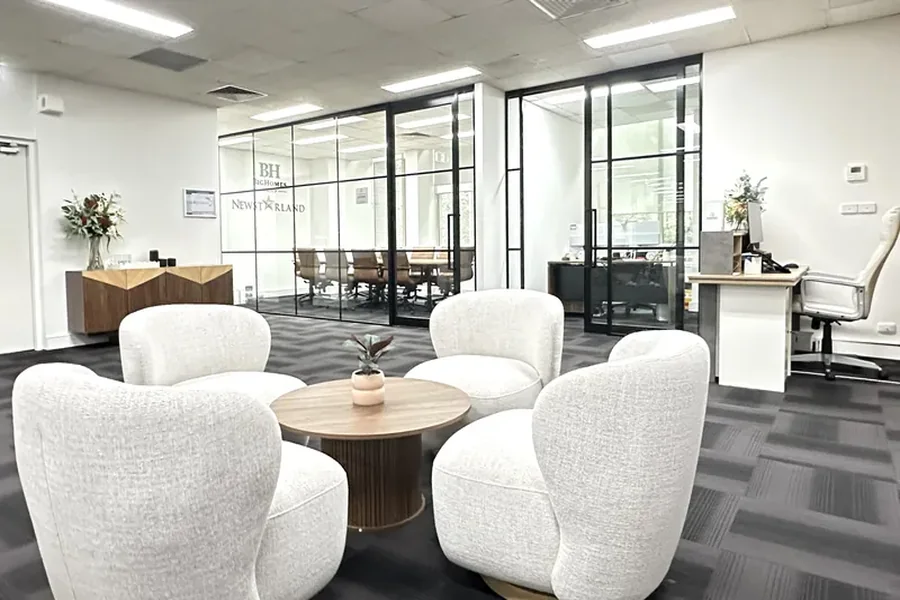
Finding a suitable office can have a major effect on how a business operates each day. The right workplace needs to provide enough room for employees, support productive work, and offer a location that is convenient for staff and visitors. Businesses searching for an office for rent in Melbourne can explore a range of workplace options that suit different industries, team sizes, budgets, and working styles. In Melbourne, businesses can choose from many different types of office spaces, making it possible to find a workplace that matches different industries, team sizes, budgets, and working styles.
The demand for office space continues to be shaped by changes in the way businesses work. Some companies require traditional private offices, while others prefer flexible arrangements that can change as their teams grow. Shared workplaces, serviced offices, and adaptable spaces can provide alternatives for businesses that do not want to commit to a large permanent workplace.
Understanding Melbourne’s Business Environment
Melbourne provides a broad business environment that supports companies across many industries. Technology, finance, professional services, education, healthcare, creative businesses, and other sectors operate throughout the city and its surrounding areas.
This variety creates different workplace requirements. A small company may need only a few desks and a meeting room, while a larger organisation may require multiple private offices, collaborative areas, reception facilities, and spaces for clients.
Location can also influence how a business operates. Being close to clients, suppliers, public transport, restaurants, and other services can make everyday activities more convenient.
Different Types of Office Space
Businesses in Melbourne can choose from several office formats. Traditional leased offices provide a dedicated workplace where a company can control its layout, branding, and day-to-day environment.
Serviced offices can provide furnished workspaces with access to facilities such as meeting rooms, reception areas, internet services, and shared amenities. These arrangements may be useful for businesses that want to move into a functioning workplace without managing every facility themselves.
Co-working spaces provide another option. They allow individuals and businesses to work in shared environments while using common facilities. Private rooms may also be available for teams that need greater privacy.
Flexible Office Arrangements
Flexibility has become an important consideration for businesses when choosing office space. Team sizes can change, projects can expand, and working arrangements can develop over time. A workplace that can accommodate these changes may be more practical than one designed around fixed requirements.
Flexible arrangements can allow companies to increase or reduce their space according to changing needs. This can be particularly useful for smaller businesses and growing teams that may not know exactly how much space they will require in the future.
The terms of an agreement should still be examined carefully. Businesses should understand costs, notice periods, included services, access arrangements, and any additional charges before making a commitment.
Location and Accessibility
The location of an office can affect employees, clients, and business operations. Easy access to public transport can make commuting more convenient, while nearby shops, cafés, restaurants, and other services can support employees during the working day.
Businesses should also consider accessibility for clients and visitors. A workplace that is difficult to reach may create unnecessary inconvenience, particularly for companies that regularly hold meetings with external contacts.
The surrounding area can also influence the overall working environment. A suitable location should match the company’s practical needs rather than being selected purely because of its appearance.
Technology and Office Facilities
Modern businesses often rely heavily on technology, so suitable digital infrastructure is an important consideration. Reliable internet access, secure systems, meeting technology, and sufficient power outlets can support everyday operations.
Other facilities may include meeting rooms, breakout areas, kitchens, reception services, printing facilities, and secure access systems. The importance of each feature depends on how the business operates.
Companies should consider which facilities are genuinely useful rather than paying for features that employees rarely use. A practical office is one where the available facilities support everyday work without creating unnecessary costs.
Creating a Productive Workplace
The design of an office can influence how employees use the space. A suitable workplace may include areas for focused work as well as spaces for meetings, collaboration, and informal conversations.
Natural light, comfortable furniture, suitable temperature control, and appropriate noise levels can all contribute to a more comfortable environment. The layout should also provide enough space for people to move around without making the workplace feel unnecessarily crowded.
Businesses should consider their employees’ actual working patterns when deciding how much space and what type of layout they need.
Sustainability and Efficiency
Sustainability is becoming an important consideration when businesses evaluate office spaces. Energy-efficient lighting, effective heating and cooling systems, waste management facilities, and responsible use of resources can reduce the environmental impact of a workplace.
Efficient buildings may also help businesses manage operating costs. However, sustainability should be considered alongside practical requirements such as location, accessibility, comfort, and available facilities.
Businesses can also support more sustainable working practices through recycling, reduced paper use, energy-conscious equipment, and responsible use of shared facilities.
Support Services for Businesses
Some office environments provide support services that can reduce the amount of administration required from a business. Reception assistance, facilities management, cleaning, IT support, meeting room management, and mail handling may be included depending on the type of workplace.
These services can be useful for smaller businesses that do not have dedicated staff to manage office-related tasks. Larger organisations may also benefit from outsourcing certain facilities so their employees can focus on their main responsibilities.
Before choosing an office, companies should check which services are included and which may involve additional fees.
Managing Office Costs
Cost is an important part of any office decision. Businesses should consider more than the advertised rent. Utilities, internet services, furniture, cleaning, maintenance, insurance, parking, and other charges can affect the total cost of occupying a workplace.
Creating a realistic budget can help businesses compare different options more effectively. A cheaper office may not always provide the facilities required, while a more expensive workplace may include services that reduce other operating expenses.
Understanding the complete cost structure can make financial planning easier.
Planning for Changing Needs
Office requirements can change as a business develops. A company may need additional desks, private meeting rooms, storage, or more flexible working areas as its operations change.
Planning ahead can help businesses avoid choosing a workplace that becomes unsuitable too quickly. At the same time, taking too much space can create unnecessary costs.
The most suitable office should provide enough capacity for current requirements while allowing reasonable room for change.
Conclusion
Choosing office space in Melbourne involves balancing location, cost, flexibility, facilities, technology, comfort, and long-term business needs. With different office formats available, businesses can consider traditional workplaces, serviced offices, and shared environments according to their requirements.
A well-planned office can support productive work while providing a comfortable environment for employees and visitors. By carefully assessing the space, services, costs, accessibility, and flexibility available, businesses can create a workplace that supports their everyday operations and provides room to adapt as their needs develop.