
Hosting at home has changed.
It is no longer only about setting the dining table, preparing a formal meal, and keeping everyone in the living room. More people want gatherings that feel relaxed, flexible, and easy to enjoy. They want space to move around. They want food, drinks, conversation, fresh air, and a setting that does not feel too stiff.
That is one reason outdoor living has become so important.
A backyard, patio, or deck can change how people use their home. It gives the house another social zone. It makes casual dinners easier. It gives guests somewhere to gather without crowding the kitchen. It turns a normal evening into something that feels a little more special.
The best hosting spaces are not always the most expensive ones. They are the spaces that make people feel comfortable.
Hosting Works Better When People Have Room to Move
Indoor hosting can feel crowded fast.
Someone is standing near the kitchen island. Someone else is blocking a doorway. Kids are moving between rooms. Drinks are sitting on every available surface. The host is trying to cook, talk, clean, and make sure everyone has what they need.
An outdoor area helps release some of that pressure.
When people can step outside, the whole gathering feels easier. Guests can spread out. The host can move between the kitchen and outdoor seating. Food can be served in a more casual way. Conversations can happen in smaller groups instead of one loud circle inside the house.
That is the value of usable outdoor space. It changes the rhythm of the gathering.
A Deck Creates a Natural Middle Ground
A deck works well because it sits between the home and the yard.
It is not fully indoors, but it is not just open lawn either. It gives people a defined place to sit, eat, drink, and talk. It can connect directly to the kitchen or living room, which makes serving food easier. It can also make the backyard feel more organized.
For homeowners thinking about this type of upgrade, Columbus deck builder planning can help turn an empty outdoor area into a space that feels useful for everyday life and not only occasional parties.
A good deck does not need to be huge. It needs to fit the way people actually live.
The Best Outdoor Spaces Start With the Kitchen
Most gatherings begin in the kitchen.
That is where drinks are poured, snacks are prepared, plates are collected, and people naturally gather even when there are other rooms available. If the outdoor area connects well to the kitchen, hosting becomes much easier.
The distance matters.
If the deck is too far from the kitchen, the host may spend the evening walking back and forth. If the path is awkward, guests may not use the outdoor area as much. If there is no clear place to set food or drinks outside, everyone ends up carrying things around.
A strong hosting setup usually has a simple flow: prepare inside, serve outside, relax without confusion.
Casual Drinks Need a Casual Setting
A relaxed drink outside can feel better than a formal setup inside.
It could be iced tea, coffee, wine, a mocktail, or something mixed for the evening. The drink itself is only part of the moment. The setting matters too.
Outdoor lighting, comfortable seating, a small table, and enough space for people to stand or sit can make a simple evening feel intentional. Guests do not need perfection. They need somewhere comfortable to place a glass, enjoy the weather, and join the conversation.
This is why outdoor design should be practical. It should think about real hosting habits, not only photos.
Shade Can Decide Whether the Space Gets Used
A beautiful deck without shade can become uncomfortable quickly.
If the sun is too strong during the day, people will avoid the space. If there is no protection during light rain, the area may only be useful in perfect weather. If the seating gets too hot, guests will move back inside.
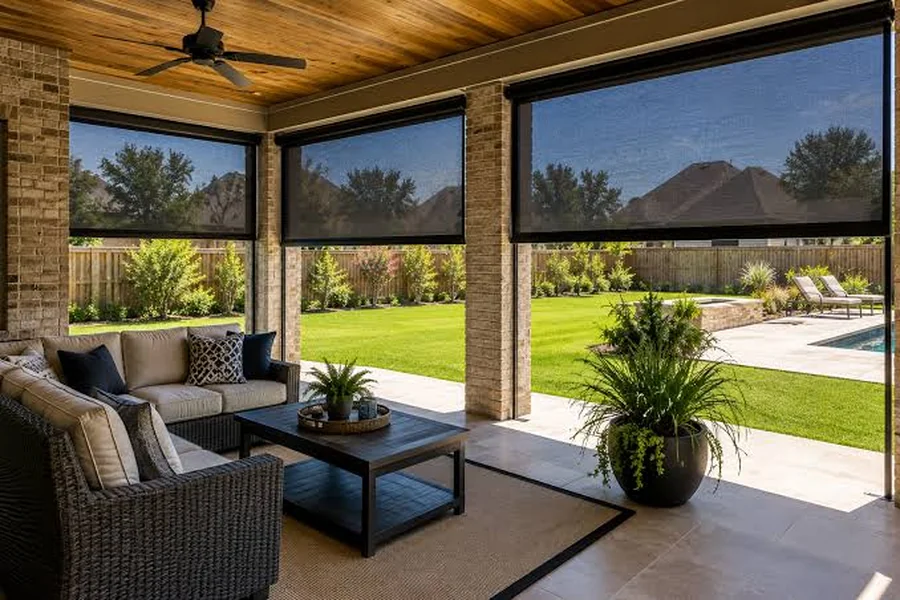
Shade can come from many places. A pergola, umbrella, covered section, nearby trees, or smart furniture placement can all help.
The goal is not to block the outdoors. The goal is to make the space usable for longer periods.
A deck that feels good only for one hour a day is not doing enough work.
Lighting Changes the Evening
Outdoor hosting often becomes better after sunset, but only if the lighting works.
Harsh lighting can make the space feel cold. No lighting makes it hard to use. The best outdoor lighting usually feels soft and layered.
Lights near steps improve safety. Warm lights around seating create atmosphere. Small lights near plants or railings can make the area feel more finished. Good lighting helps people stay outside longer without the space feeling too dark or too bright.
Lighting should not feel like a spotlight. It should make the area feel comfortable.
Furniture Should Match the Way People Gather
Outdoor furniture is often chosen for looks first, but comfort and layout matter more.
If people mostly host dinners, a dining table may be the priority. If the space is used for drinks and conversation, lounge seating may work better. If the family uses the deck every day, flexible furniture may be smarter than formal pieces.
The size of the deck should guide the furniture.
Too much furniture makes the space hard to move through. Too little furniture makes it feel unfinished. The best setup leaves room for people to walk, sit, serve food, and move naturally.
Outdoor hosting should feel easy, not crowded.
Privacy Makes People Stay Longer
People relax more when they do not feel exposed.
A deck that faces a busy street, nearby windows, or open neighboring yards may need privacy planning. This does not mean building a wall around everything. Sometimes plants, screens, railings, curtains, or layout changes are enough.
Privacy should feel natural.
A few tall planters, a small trellis, or a better seating direction can make a big difference. Guests do not need total isolation. They just need the space to feel like part of the home, not like they are sitting in the middle of the neighborhood.
Outdoor Spaces Should Be Easy to Maintain
A hosting space that is hard to maintain will not be used as often.
If furniture is difficult to clean, surfaces stain easily, or the layout traps dirt and leaves, the homeowner may avoid using the space. The best outdoor areas are designed with normal life in mind.
That means choosing durable materials, planning for weather, keeping storage nearby, and making cleanup simple.
People are more likely to host when the space is easy to reset.
The Deck Should Fit the Home, Not Fight It
A deck should feel connected to the rest of the property.
The material, railing, color, shape, and layout should work with the house. A deck that feels added without thought may still be useful, but it will not feel as natural.
The best outdoor spaces look like they belong.
They connect with doors, windows, landscaping, and the way people move through the home. They do not need to be dramatic. They need to make sense.
Hosting Is About Ease
Good hosting is not only about food or drinks.
It is about making people feel comfortable. It is about giving them space to talk, sit, move, and enjoy the moment without everything feeling forced.
Outdoor living helps because it creates a more relaxed environment. People can step away from the kitchen, enjoy fresh air, and settle into a space that feels less formal than a dining room.
That is why a deck can become one of the most used parts of the home. It supports quiet mornings, family dinners, weekend gatherings, and simple evenings outside.
Near the end of planning, homeowners can also explore HouseMorrow.com for more ideas on shaping a home that feels practical, personal, and ready for everyday living.
A good outdoor space does not need to impress everyone.
It needs to make home feel easier to enjoy.