
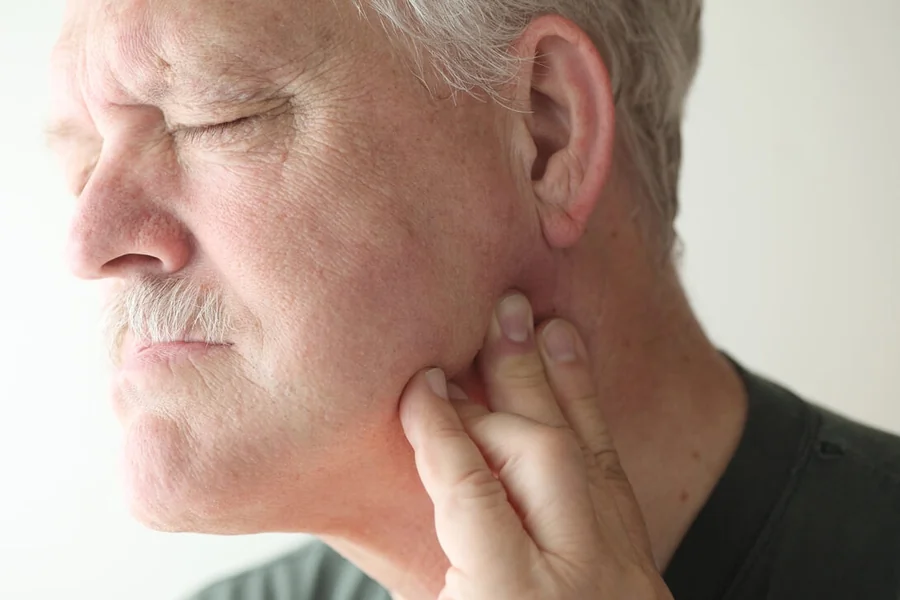
A TMJ is a headache which can also relate to the issues with the temporomandibular joint and muscles around the jaw. These are joints which are both near the ears and on the opposite sides of the face. They can enable you to speak, suck, yawn, open and close your mouth. In event of the joints or surrounding muscles being irritated or strained, the pain can extend to the temples, forehead, face, ears or the neck.
Temporomandibular disorder (also known as TMD) is used to refer to complications in the jaw joint and the chewing muscles. TMD may impact the joint itself, muscles surrounding the joint or both. When these areas are painful or tight it is possible to have a headache.
A headache that is linked to jaw issues may not be like an ordinary headache. There are individuals who feel a pressure either around the temples or forehead and there are individuals who note aching around the ears or jaw. The pain can be more noticeable during chewing, talking extensively, yawning, or opening the mouth widely.
One should bear in mind that all headaches are not Jaw related. Similar symptoms can be caused by migraine, tension headaches, dental problems, sinus conditions and other health problems. This is why the problem of recurring headaches or the lack of an explanation should not be immediately attributed to TMJ problems.
Causes and Symptoms of TMJ Related Headaches
TMD does not necessarily have a single cause. Symptoms are sometimes induced by an injury to the jaw, although an injury can also cause problems without an injury to the jaw. Some of the most common ones include teeth grinding and jaw clenching which may unintentionally strain the muscles and/or the joints. This may be aggravated by stress since human beings have a tendency of tightening their jaw unintentionally.
Discomfort may also be caused by arthritis and other disorders of the jaw joint. Habits can also add pressure to everyday habits. Prolonged chewing gum use, chewing nails, chewing ice, consuming foodstuffs with high degrees of hardness, or always keeping the teeth clamped can unduly stress the jaw.
A typical manifestation is the pain in the area of the jaw which accompanies with the headache. The pain can be either dull, tight, or aching. It can be more prominent when it comes time to eat or talk a long time. Others can feel the pain more keenly after they have woken up as they might have been clenching or grinding their teeth in their sleep.
Other symptoms may comprise tenderness of the jaw, pain of the area around the ears, pain of the face, pain about the temples, tightness of the neck, pain in the jaw, and lack of ability to open the mouth fully. There are those who hear clicking, popping or grinding noises as they move the jaw. Some can complain of pain during the chewing process or of the jaw locking sometimes.
It is not always the case that a clicking or popping sound indicates that something is amiss. Jaw sounds may be pain free and not limited and may not need any treatment. The sounds that are accompanied with a lot of pain, locking, or the inability to move the jaw should be given the professional consideration though.
Especially when headache would feel more in the morning, teeth grinding may come into play. An individual, unconsciously, could grind or clench his or her teeth in sleep. This may cause early muscles of the jaw to be weary and sore upon waking.
Another cycle can be caused by stress. When an individual is under pressure he or she tightens the jaw involuntarily. This is able to tighten the muscles and cause discomfort. Constant pain may then result in additional stress which means that the muscles are unable to relax.
How TMJ Headaches Are Diagnosed
A jaw related headache is most often diagnosed by having a conversation about your symptoms and medical history. A dentist or healthcare professional can inquire about the location where the pain started, its duration, frequency, and whether it is more frequent with chewing, speaking or yawning.
Physical examination of the jaw could entail the motions of the jaw, and their tenderness of the jaw joints and chewing muscles. The provider can also hear any clicking sounds or other sounds as you open and close your mouth. They might find out whether your jaw movement is restricted and/or painful.
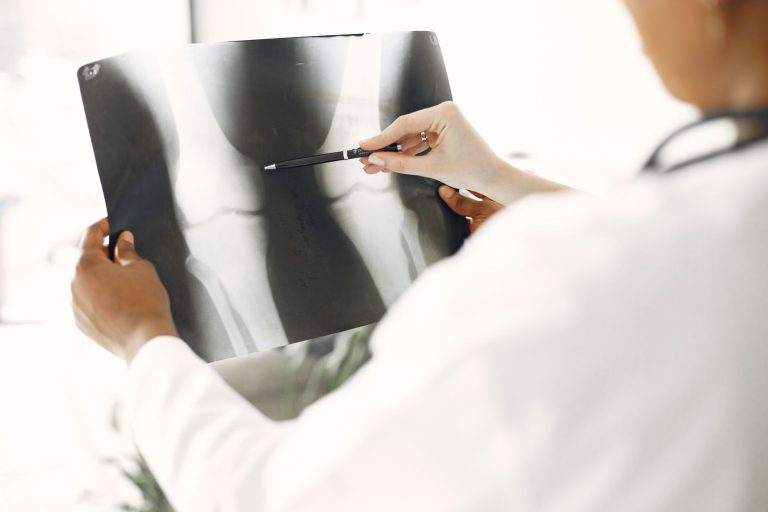
Not all imaging is essential but can be advisable in some cases. A medical practitioner might perform an x-ray, CT scan or MRI of the bones, joints or soft tissue surrounding the jaw depending on the problem suspected.
A correct diagnosis is important as jaw pain and headaches may be caused in a number of ways. A headache caused by a migraine, dental issue, ear issue, nerve disorder, or any other type of headache can occasionally present symptoms appearing to be common in TMD.
It is worthwhile to consult a dentist or a medical practitioner in case your headache keeps on reoccurring, your jaw still aching, chewing it becomes painful, your jaw freezes and locking, or your symptoms disrupt sleep and normal functioning.
An extremely severe headache that comes suddenly should not just be assumed to be due to jaw. Headaches with confusion, fainting, or weakness, speaking issues, or other severe neurological symptoms should be immediately assessed in a medical center.
Treatment and Relief Options
The treatment varies according to the cause of the symptoms and their severity. Most issues of TMD are first treated as conservative rather than invasive ones. Certain symptoms could be corrected on their own, whereas some can be corrected by mere modification in everyday routines.
When the jaw is painful with chewing, the short-term solution is to eat softer foods which will decrease the effort needed by the jaw muscles. Not chewing gum and eating very tough or chewy items will also allow the jaw a rest. Eating food in small pieces rather than biting large could be beneficial.
Temperature (heat or cold) can temporarily alleviate it. Other individuals will opt to apply a warm compress to soften contracted jaw muscles and others with tempers will use cold pack to massage sore areas. It is possible that the most appropriate option may differ regarding whether a person is a symptom or the cause of the problem.
Some individuals may be advised on some gentle jaw exercises. Jaw movement and diffusion by physical therapy may be sometimes suggested. Nevertheless, the exercises must be suitable to the particular condition. Some of the problems can be aggravated by the forceful stretching of the jaw or forceful pushing of the jaw out of its comfortable position.
Pain medication can also be taken into account. When proper, healthcare professionals can prescribe over-the-counter pain reliever drugs or anti-inflammatory medication. Nonetheless, such medications do not apply to all people. People should talk to a healthcare professional or pharmacist and use them on a regular basis should anyone have other medical conditions or take other medications.
In the event that night time teeth grinding or clenching makes the issue, a dentist can prescribe an oral appliance or nightguard. Such devices can benefit a few individuals, and assessment and installation must be done well. Treatments that are irreversible to the teeth, bite or jaw structure must be taken very seriously unless there is a definite medical need.
It can also be useful to manage stress. Squeezing exercises, deep breathing, physical exercise, and sleep coupled with becoming conscious of tightening of the jaw in the daytime might then undergo relaxation and lessen unwarranted muscle tension.
In some cases, more sophisticated therapy is required, such as physical therapy, behavioral treatments, prescription drugs or certain procedures. Most of the jaw issues do not require surgery as a first or initial treatment. It can be taken into account in case a certain structural issue exists or in case the adequate conservative treatment has not given sufficient benefits.
Preventing Jaw Related Headaches
The reduction of jaw pain may require very simple adjustments in daily routine to avoid recurring problems. Knowledgeable habit: one of the helpful ones is to keep the jaw relaxed when you are not eating or talking. You do not have to have your teeth clamped together all day. Noticing when you clench can aid in diminishing strain on the muscles.
Jaw tension can be exacerbated by stressful situations. You can observe that you grind your teeth when working, driving, studying, working with a computer, or focusing. It helps to take short relaxation breaks to relax your face and jaw.
The symptoms can also be influenced by your eating habits. In case the jaw is already painful, it may make it bigger when eating food that has to be chewed a long time. Reducing food load on the jaw by briefly eating soft foods and cutting the food into bites can help to lessen the burden.
Posture can also be a factor in muscle tension in the neck and the jaw. When sitting at a desk, sit in a comfortable position and not always hunched forward as much as possible. Several processes of sitting relaxation can help avoid unwarranted tension in the entire trunk.
Another essential aspect is sleep. Individuals who grind their teeth during their sleep might not even know that they are grinding them. In case you tend to usually wake with sore jaws, tooth sensitivity, pains in your temples or morning headaches, then speak to a dentist or health care professional about these symptoms.
You also should not make any alterations to your bite or teeth on a permanent basis unless there is a clear reason. Certain violent methods of treating jaw issues might not be needed and they may cause further complications. Firstly, conservative care can be regarded as a proper choice.
The idea is not that one should be actively trying to remove all the clucking noises and periodical jawed feeling. Rather, listen to ongoing pain, limited movement of jaw, frequent headaches or symptoms that affect your daily living.
Read More: Low Calorie Snacks That Are Filling, Tasty, and Easy to Make
Final Thought
A TMJ headache is frustrating since the cause of the pain might not be very apparent. Tension of the jaw, grinding of the teeth, clenching them, pain in the joints and sore muscles may also be the causes of the pain in the area around the head and face. Simultaneously, headaches can be caused by numerous factors, which is why one should not want to believe that all occurrences related to the headache have to do with the jaw.
Keep an eye on trends in your symptoms. In case there are headaches and jaw pain, it can be a stiff, clicking, or hard to chew, or stiff in the morning, talking to a dentist or other health care professional can clarify the problem.
Simple practices, like relaxing the jaw, over-chewing, stress, and healthy daily practices can make a difference in reducing strain. As long as the symptoms are present or they get extreme, it is the most safe to leave it to professional analysis and ascertain the appropriate treatment.
The knowledge of interrelationship between the jaw and the muscles around it may facilitate easier identification of potential inducers and appropriate response. Through the correct diagnosis and treatment strategy, most individuals may be able to cope up with their symptoms and resume normal life processes.
FAQs About TMJ Headaches
What does a TMJ headache feel like?
It may feel like pressure, tightness, or aching around the temples, forehead, face, or jaw. Some people also experience discomfort near the ears or neck. The exact sensation can vary depending on the underlying cause.
Can TMJ problems cause headaches every day?
Jaw problems can contribute to frequent or recurring headaches in some people. However, daily headaches can have many different causes. If headaches occur regularly, it is important to have them evaluated rather than assuming they are caused by the jaw.
Can stress cause a TMJ headache?
Stress may contribute to jaw related headaches by encouraging unconscious clenching or increasing muscle tension. Learning to recognize jaw tension and using relaxation techniques may help reduce this trigger.
Can teeth grinding cause TMJ headaches?
Teeth grinding and clenching can place additional stress on the jaw muscles and joints. This may contribute to jaw soreness and headaches, particularly when symptoms are strongest after waking.
How can I relieve a TMJ headache at home?
Resting the jaw, avoiding gum and excessive chewing, temporarily choosing softer foods, and using a warm or cold compress may provide relief for some people. If symptoms continue or become worse, professional evaluation is recommended.
When should I see a dentist for TMJ symptoms?
You should consider seeing a dentist or healthcare professional when jaw pain or headaches repeatedly return, chewing becomes painful, the jaw locks, movement becomes limited, or the symptoms interfere with daily activities.
Is surgery necessary for TMJ headaches?
Surgery is usually not the first treatment option. Many jaw problems can initially be managed with conservative approaches such as lifestyle changes, physical therapy, medication when appropriate, and treatment for clenching or grinding. Surgery may be considered for specific serious or persistent joint problems.