

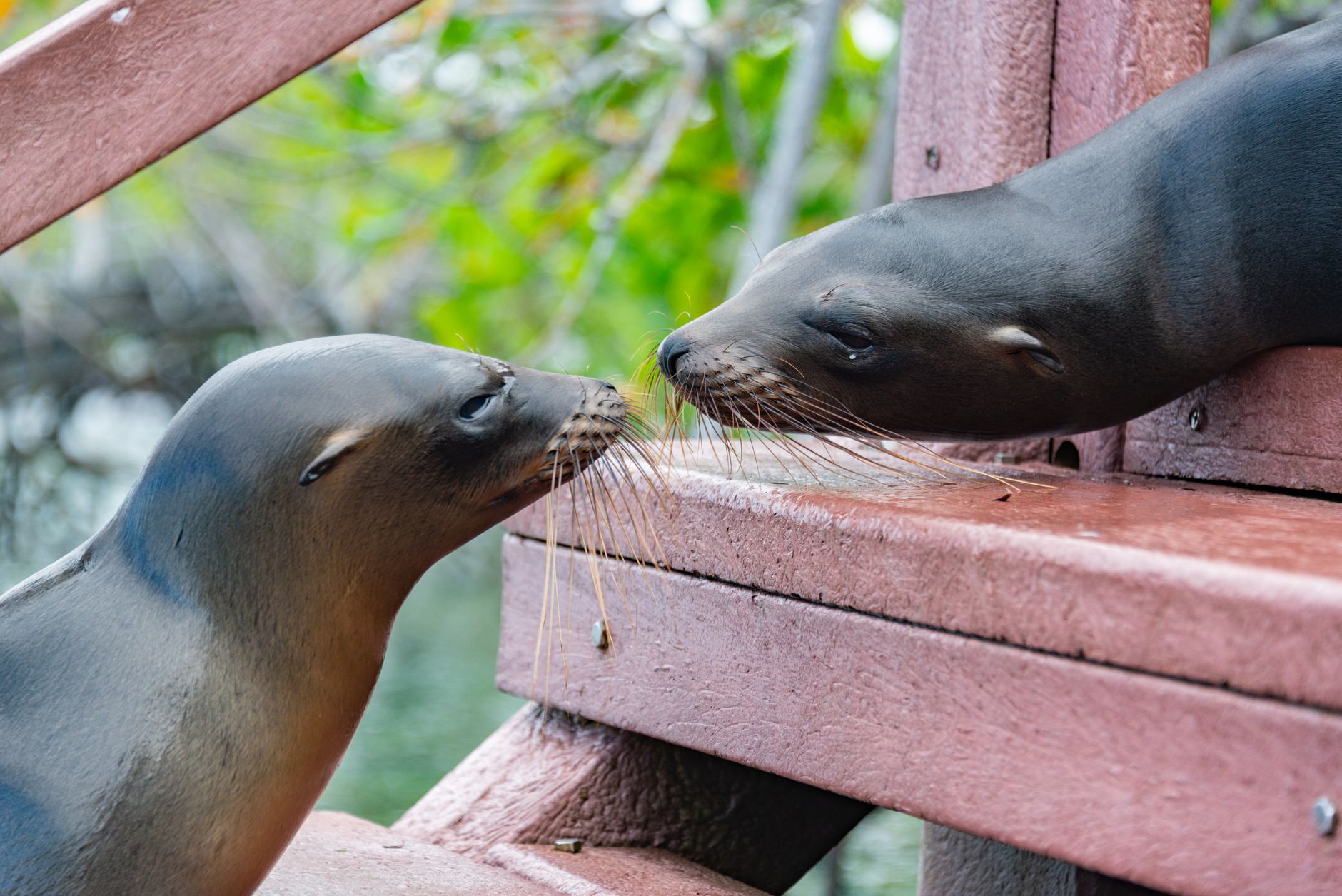
The Galápagos Islands sit nearly 600 miles off the coast of Ecuador, and that isolation is exactly why giant tortoises, marine iguanas, and blue-footed boobies evolved without fear of humans. You can stand three feet from a sea lion pup or watch a Sally Lightfoot crab scuttle across black lava rock while a penguin swims past in equatorial water. Few places on earth pack this much biological strangeness into such a small area, and planning the trip well makes the difference between a good vacation and an unforgettable one.
When to Go: Timing Your Trip Around Wildlife and Weather
The Galápagos has two main seasons rather than four. From December through May, the water warms up, skies stay mostly clear, and short rain showers pass through most afternoons. This is when sea turtles nest on beaches and land birds are most active with courtship displays.
From June through November, the Humboldt Current brings cooler water, overcast skies, and calmer seas. This garúa season is prime time for snorkeling with penguins and spotting albatross on Española Island, since the cooler water supports more marine life. Neither season is objectively better; the right choice depends on whether you prioritize sunbathing or wildlife density.
Choosing How to Explore: Boats, Islands, or Both
Visitors generally pick one of two models: staying on a live-aboard boat that moves between islands overnight, or basing on a populated island like Santa Cruz or San Cristóbal and taking day trips. Boats cover more ground and reach remote sites inaccessible from land, but cabins are tight and seasickness is a real factor on longer crossings.
Island-based travel costs less and offers more flexibility, including the option to skip a day and just relax. It does mean missing some of the farther-flung sites, since day boats can only travel so far before turning back. Many visitors combine both approaches, spending a few nights on a boat and a few more on Santa Cruz exploring the highlands.
For travelers who want structure without losing the personal feel of the islands, small group tours to the Galapagos Islands have become a popular middle ground, pairing expert naturalist guides with itineraries small enough to get close to wildlife without disrupting it. Groups of 10 to 16 people tend to move through trails and panga rides more smoothly than larger cruise groups, and guides can tailor commentary to the pace and interests of the group.
Must-See Islands and What Makes Each Different
Santa Cruz is the most developed island and home to the Charles Darwin Research Station, where captive breeding programs have helped bring several tortoise subspecies back from near extinction. The highlands here are also where wild tortoises roam freely through farmland.
Española, one of the oldest islands geologically, hosts the only waved albatross colony on earth, visible roughly from April through December. Genovesa Island, often called Bird Island, draws large colonies of red-footed and Nazca boobies along with frigatebirds inflating their red throat pouches.
Fernandina is the youngest and most volcanically active island, with jagged black lava fields packed with marine iguanas basking in groups. Isabela, the largest island by far, offers flamingo lagoons, Galápagos penguins, and the chance to snorkel alongside sea turtles in Tagus Cove.
Rules, Permits, and Conservation Fees to Know Before You Arrive
Every visitor must pay a Galápagos National Park entrance fee, which currently runs $200 for most foreign adults, payable in cash upon arrival at the airport. A separate Transit Control Card, costing $20, is required before departure from mainland Ecuador.
Tour operators must hold a park-issued license, and certified naturalist guides accompany every group on trails and snorkeling excursions. Visitors are required to stay on marked paths, keep at least two meters from wildlife, and avoid bringing any food, seeds, or soil onto the islands, since invasive species pose one of the greatest threats to the ecosystem.
Budgeting for a Galápagos Trip
Costs vary widely depending on the style of travel. A budget land-based trip with day tours can run $1,500 to $2,500 per person for a week, not including international flights. Mid-range boat cruises typically fall between $3,000 and $5,000 per person for seven nights, while luxury catamarans and yachts can exceed $8,000.
Flights from Quito or Guayaquil to Baltra or San Cristóbal typically cost $400 to $500 round trip and should be booked separately from the main tour unless a package includes them. Budgeting an extra $100 to $200 for park fees, snorkeling gear rental, and tips for guides and crew is a realistic add-on to any trip estimate.
Getting the Most Out of a Short Visit
Travelers with only four or five days should focus on one or two islands rather than trying to see everything, since inter-island transfers eat up significant time. Pairing a few nights on Santa Cruz with a day trip to a nearby site like North Seymour or Bartolomé gives a solid cross-section of landscapes and wildlife without constant packing and unpacking.
Booking six to nine months ahead matters more than most people expect, particularly for July, August, and the December holiday stretch, when permits and cabins fill quickly. A well-timed, well-planned trip to the Galápagos rewards patience in planning with some of the closest, most unguarded wildlife encounters available anywhere on the planet.