
Face: When individuals enter fatty liver in the search engine, they usually seek to understand whether their skin or appearance is going to tell them that they have a liver issue. Fatty liver disease may proceed without any noticeable symptoms particularly at the initial stages. Actually, a number of individuals tend to find out that they have fatty liver when they undergo a routine blood test or an imaging scan.
This is why it is significant not to use the facial appearance as a sole criterion to determine the fatty liver disease. More changes may be present around the face or around the eyes and need to be confirmed with more specific changes to diagnose fatty liver. Similar changes can be caused by other typical skin conditions, allergies, dehydration, medications, and other unrelated health problems.
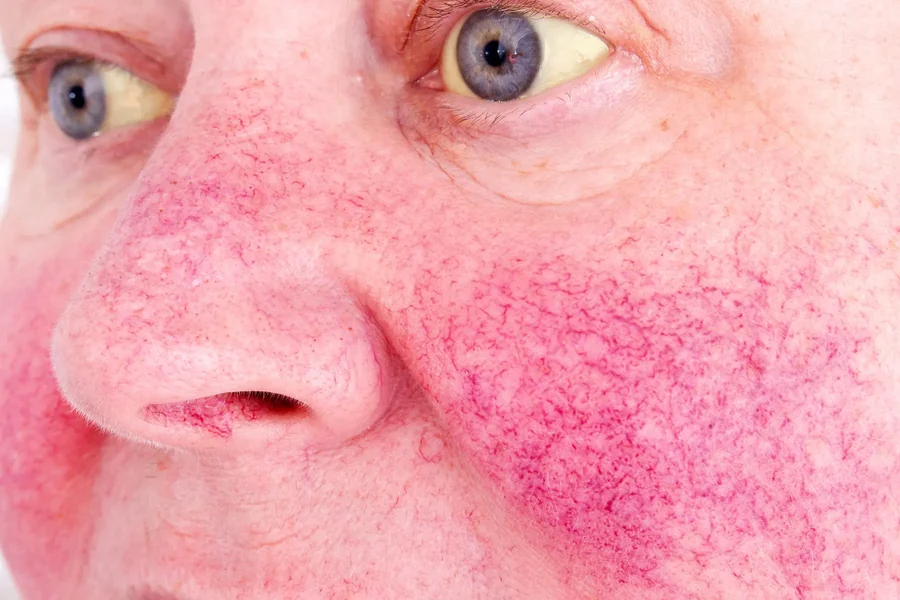
Fatty liver symptoms on face may include certain visible changes, although these signs are not always directly caused by fatty liver disease.
Knowledge of the signs each of which might be attributed to liver disease and those which might need medical checks is going to make you worry without any need. It may also make you realize when something in your looks should be taken care of professionally.
Fatty Liver Symptoms on Face: What to Look For
No one particular look can be attributed to a person to have fatty liver disease. Fatty liver used to present itself without any symptoms at an early stage. This is particularly crucial since individuals might be healthy despite fat accumulation in the liver.
Jaundice may be one of the apparent symptoms of severe liver dysfunction. This makes the skin and the whites of the eyes yellow, as the bilirubin accumulates in the body. In persons of a darker complex, the yellowing of the whites of the eyes may at times be more readily observed than in the skin.
But fatty liver should not necessarily be accused of jaundice. There are numerous causes of it, such as hepatitis, gallstones, pancreatitis, etc. liver or blood-related causes. This is why such new yellowing of the skin or eyes must be medically determined instead of being a benign symptom of fatty liver.
The other symptom of some liver conditions is itchy skin. The itching can happen in various areas of the body and need not always be on the face. Notably, there is long list of other potential causes of itching, such as dry skin, allergies, eczema, infections, and other health problems.
Others also look up facial puffiness, dark coloration, acne or skin tone changes as possible indications of fatty liver. These are not good diagnostic indicators. Having one of these changes does not mean that you have fatty liver disease.
The most hazardous thing to do is to consider facial changes as something that can be paid attention to, and not as a method of diagnosing a liver.
Other Fatty Liver Symptoms to Watch For
Since alterations in facial expressions cannot be trusted with diagnosing fatty liver, familiarity with signs that can manifest in other body parts is handy.
Fatty liver disease doesn’t have much symptomatic presence early on. The symptoms may be unclear when they occur. Others can feel fatigued, generally weak or feel pain in the upper-right side of the abdomen. Some liver disease patients may also experience unexplainable weight loss.
Other symptoms can occur when liver disease reaches its more advanced stage. Such may involve jaundice, itchy skin, fluid-retention swelling, dark urine and pale stools.
Less appetite, nausea and constant fatigue are other potential symptoms of a serious liver disease. These are not specific to liver disease and thus cannot be used to diagnose the disease alone.
The big thing is that the manifestations are typically unable to inform you exactly to what extent there is liver damage. Others might develop considerable liver disease with minimal symptoms, and others with conditions unrelated to fatty liver might have symptoms.
Symptoms may therefore be equally as important as risk factors. Some of the factors linked to fatty liver include being overweight, diabetes, high blood pressure and high cholesterol.
Whether you feel well or not, it might be worthwhile to talk to a healthcare professional about liver health in case multiple risk factors are involved.
When Facial Changes Need Medical Attention
Certain changes in the face or on the skin are not to be overlooked. Of particular importance is yellowing of the skin or whitings of the eyes. Jaundice may also be an indicator of a serious underlying condition and should be followed by immediate medical examination.
It is also important to consult a medical practitioner in case you experience chronic itching in addition to other signs including dark urine, pale stools, stomach pain, unusual fatigue, or yellowing of the eye whites. We can have these combinations with liver and other health conditions and this needs to be properly evaluated.
Never think that the fatty liver causes a new change in your face just because you have risk factors of the condition. Unfortunately, skin issues are very widespread and may be attributed to numerous causes.
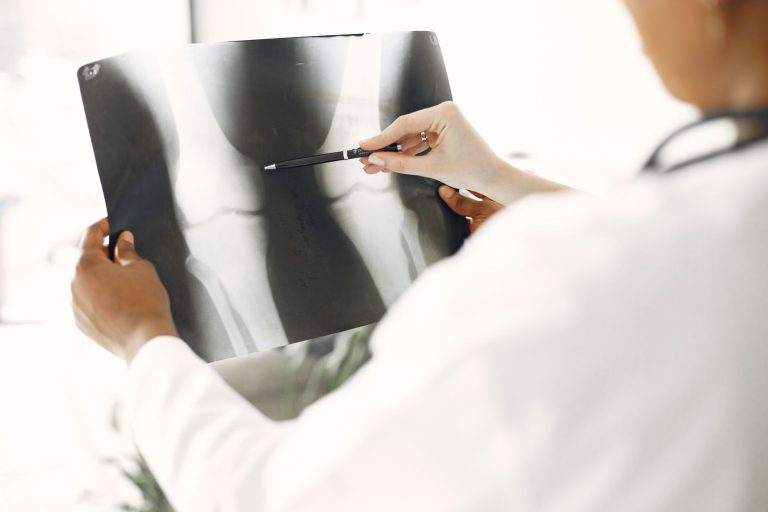
A healthcare provider can enquire about your symptoms, medical history, medications, alcohol consumption, weight, and other risk factors. Liver function can be evaluated using blood tests, and fat in the liver or other abnormalities could be examined using imaging (ultrasound).
Additional testing can be required in certain instances to help know whether there is inflammation or scarring of the liver. The correct tests are determined with the situation of an individual.
It is far more helpful to have an accurate diagnosis rather than attempt to figure out fatty liver by looking in the mirror.
How to Support Better Liver Health
When worried about fatty liver, it is more helpful to address the health of the liver as a whole than to target a specific symptom of the face.
Healthy lifestyle changes can be significant to individuals who have metabolically related fatty liver. Good overall health can be maintained by maintaining a healthy weight, eating a balanced diet, being physically active, and managing different diseases like diabetes, high blood pressure, and high cholesterol.
It is also advisable to avoid excessive consumption of alcohol since alcohol may cause liver damage. The correct guidance may differ based on your health history, and everybody with known liver disease ought to talk to a health expert about drinking alcohol.
Caution should be taken towards supplements that are sold as liver cleaners or detoxifiers. A product that is promoted as being natural does not necessarily mean that it is safe to the liver. Certain supplements and drugs have the potential to impact liver function and therefore, it makes sense to consult a doctor or pharmacist before taking a new product.
It would be especially important that you follow-up regularly with the doctor in case you were already diagnosed with fatty liver, or another liver disease. By monitoring, it is possible to detect changes before complications get out of control.
Above all, do not consider your face as the basis of liver health. A normal appearance of the complexion does not indicate a healthy liver and a skin condition does not necessarily mean a liver condition.
Read More: Low Calorie Snacks That Are Filling, Tasty, and Easy to Make
Final Thought
Symptom search of fatty liver on face is usually a need to reveal liver issues on observable changes. But the fatty liver disease often has no apparent symptoms during its initial stages. Neither is there a certain facial appearance that can be used to diagnose the condition.
Jaundice may cause yellowing of the skin or eyes, which can have serious liver-related issues, but jaundice can have numerous causes and should be medically evaluated. Certain liver conditions also cause itching but it is common in numerous ways.
In case you observe some changes in skin or eyes that are persistent or abnormal, particularly with abdominal pain, abnormal fatigue, black urine, pale stools, or weight loss, which have no clear explanation, then discuss it with a healthcare provider. Adequate blood tests and other medical examinations are far more accurate than the attempts to diagnose fatty liver with the help of facial features.
FAQs
Can fatty liver cause changes on the face?
Fatty liver does not have a specific facial appearance. Early fatty liver often causes no noticeable symptoms. More advanced liver problems may cause jaundice, which can make the skin or whites of the eyes appear yellow.
Are dark circles under the eyes a sign of fatty liver?
Dark circles are not a reliable sign of fatty liver. They can be associated with many everyday factors and medical conditions, so they should not be used to diagnose liver disease.
Can fatty liver cause yellow eyes?
Yellowing of the whites of the eyes is called jaundice. It can occur with liver problems, but it has many possible causes. New jaundice should be medically assessed promptly.
Does fatty liver cause itchy skin?
Itching can occur with liver disease, particularly when liver function or bile flow is affected. However, itching is also common with many skin and medical conditions.
How can fatty liver be diagnosed?
Doctors may use medical history, blood tests, and imaging such as an ultrasound. Further tests may be recommended depending on the person’s symptoms and risk factors.
Can you have fatty liver without symptoms?
Yes. Many people with fatty liver have no noticeable symptoms, particularly during the early stages. It may be identified during routine testing or an examination for another reason.