

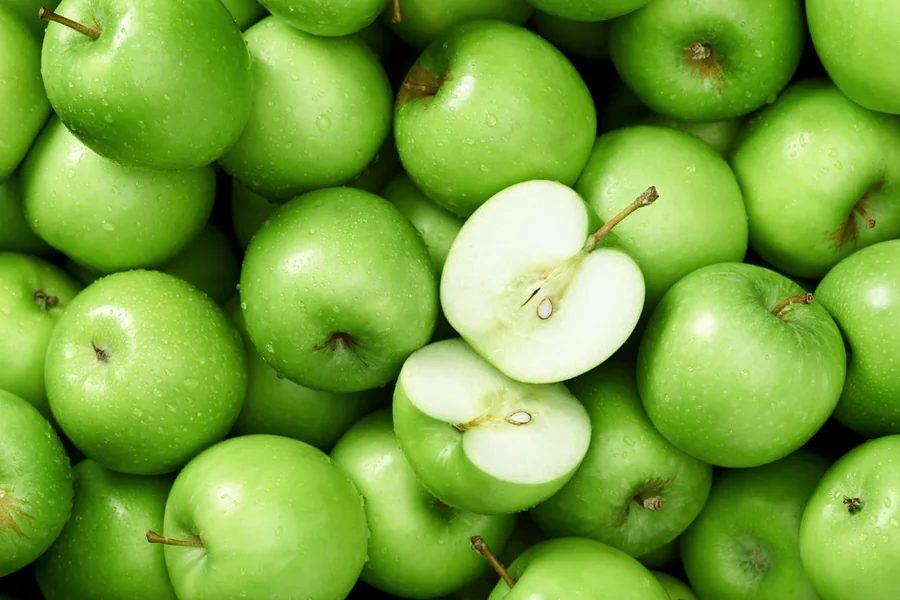
Apples that are green are crispy, refreshing and of course tart. They also make a convenient addition of fruit to an ordinary diet. When individuals discuss the benefits of green apples, they tend to emphasize on the benefits; due to weight control or digestion, yet they richly contain various helpful nutrients that enhance health in general.
A medium apple has approximately 95 calories, 25 grams of carbohydrates and 3 grams of dietary fiber. Vitamin C and plant-based compounds of quercetin and chlorogenic acid were also present in apples.
Though, green apples are not a miracle foodstuff, they can be an excellent component of a balanced diet. They make a good snack that many individuals like since they are a combination of fiber, natural sweetness, water, and plant compounds. The trick is to not store the entire apple as juice or value-added apple products, but eat the entire fruit.
Green Apple Nutrition and Important Nutrients
One of the main green apple benefits comes from their nutritional profile. Naturally, apples are fat free, and their source of carbohydrates is primarily composed of naturally occurring sugars. They also include dietary fiber which may make a meal or snack more fulfilling.
An average apple has approximately 3 grams of fiber in it. Some of such fiber is soluble and some is insoluble. Soluble fiber consists of pectin or a kind of fiber that is present in apples and can be digested by some of the good bacteria in the colon.
Vitamin C can also be found in green apples. This vitamin is beneficial in maintaining normal immunity and also in the maintenance of the connective tissues by the body. Precise nutrient content may differ with the type of apple, apple size, environmental factors as well as its preparation.
The existence of plant compounds is another useful attribute. Phytochemical contents of apples include quercetin, catechin and chlorogenic acid. These and other compounds contribute to why whole apples are a healthy choice of fruit.
Incoming and outgoing As opposed to analyzing a single nutrient, it is more beneficial to assess the big picture. An entire green apple contains fiber, vitamins, naturally occurring carbohydrates, water, and plant compounds in an easy to consume amount.
Green Apples and Digestive Health
Another way in which apples can come in handy is in matters of digestive health. These should be included in their diet since they contain enough fiber which will help them maintain a healthy dietary regime as well as healthy bowel movements.
Well-known fiber cannot be liquefied and adds weight to bowel movements, which may be helpful in managing regular bowel movements. Different soluble fibers like pectin do not behave. It has the ability to absorb water and is fermented by the multi purpose good bacteria in the large intestine. Harvard Nutrition Source has also discovered that pectin can also be fermented by gut bacteria to yield short-chain fatty acids.
Consumption of an apple with skin contains more fiber and plant compounds compared to the flesh. Harvard mentions that when the skin is removed, much of the fiber is removed as well as a high percentage of flavonoids that are present in apples.
Nevertheless, individuals who are not used to consuming a lot of fiber are likely to have short-term bloating or digestive pain in case they suddenly start taking more of it. The transition can be easy by increasing fiber step by step and by drinking sufficient amounts of fluids.
Green apples may thus be a comfortable supplement to a diverse food intake comprising other fruits, vegetables, whole grains, beans, nuts and seeds.
Potential Benefits for Heart Health and Weight Management
One of the green apple benefits that are frequently mentioned in nutrition is the potential to promote cardiovascular health and weight control. One needs to have realistic expectations since consumption of apples is not the magic bullet in preventing or treating illness.
The fruits and plant foods in apples can help create a heart-friendly diet plan. Pectin is a soluble fiber and as reported by Harvard, it might have a small impact of reducing LDL cholesterol. The studies of apples and cardiovascular outcomes in human research have been a mixed-result however.
People who desire to get their snacks satisfactory can also use whole apples. They may be healthier as they are made of fiber and water, which is why they are more filling than many of the highly processed sweet snacks. The substitution of processed foods rich in calories with fruit could contribute to a well-balanced diet.
However, no specific fat-burning effect has been linked to green apples. The control of weight relies on the total food consumption, active lifestyles, sleep, personal metabolism, and numerous other variables.
One way is to have an apple together with a protein or healthy fat source. As an example, a slice of apple with peanut butter, which has no sugar, or a handful of nuts can be more of a balanced snack.
Antioxidants and Plant Compounds in Green Apples
There are a few naturally occurring plant compounds present in Apples which are antioxidants. One of the more famous is quercetin. It is a part of a family of plant chemicals termed flavonoids.
Antioxidants can also be used to protect cells against oxidative damage, but it should not be thought of as implying that consumption of apples directly avoids all diseases. There are numerous interrelated factors affecting human health, and a separate food should be considered a component of the total diet.
The flavonoids of the apple fruit are abundant in the peel of the apple. This is another cause why a whole apple properly washed can have an advantageous nutritional value in comparison to the filtered apple juice.
Plant compounds can vary in quantity among the different varieties of apples. The story of entire nutrition does not lie in the color of the skin, thus there should be no need to select only green apples.
Rather, a wider array of whole fruits might be more effective in offering a more diverse selection of nutrients and plant compounds.
How to Add Green Apples to Your Daily Diet
To take the best of green apple benefits, there is no need of complex recipes. An apple with fresh enough fruit can be taken as a snack just as it is or add other healthy foods to make it a more substantial meal.
Green apple is also good with the plain yogurt, nuts, seeds or natural nut butter sliced. Adding protein to fruit (or healthy fats) can turn a snack into a more complete one and allow you to feel longer.
Oatmeal, overnight oats, salads, or whole-grain cereal can also be topped with chopped apples. They have a tart flavor that is a refreshing contrast to creamy or savory dishes.
To have a basic breakfast, match cut apples with plain yogurt, oats, cinnamon and few nuts. The other simple alternative is to put very thin slices of apple into the salad of green leafy greens, seeds, and light dressing.
When you need fiber and plant compounds like whole apples are typically preferable to filtered apple juice. Harvard Nutrition Source reports that processing and filtering of apple juice eliminates most of the fiber and numerous flavonoid of whole apples.
Green Apples, Blood Sugar, and Everyday Energy
Green apples have naturally existing sugars and hence not sugar-free. Nonetheless, whole fruit supplies fiber and water as well, and this affects the digestion of it in comparison to most processed sugary foods.
Apple fiber is able to reduce the rate of digestion and aid in fullness. According to Harvard, fiber has the potential to regulate what the body uses up in terms of sugar and also control the appetite.
This places an entire apple as a healthy substitute to sweets, cakes or candy bars to most people. Nevertheless, any food may have different impacts on the blood glucose in different individuals. Individuals with diabetes or other blood-sugar disorders are advised to take into account the total carbohydrate intake and to recommend their healthcare provider.
Also one should bear in mind, that green apples are not necessarily significantly healthier than red apples. The nutrient and phytochemical profile of different varieties may vary slightly, yet both green and red apples could be healthy opportunities. The most suitable one is usually the variety that you like and you can set it regularly in a balanced diet.
How to Choose and Prepare Green Apples
It is not hard to select good-quality apples. Find fruit that is hard and has rather smooth and intact skin. Do not use apples with large bruises, bruised spots, and detectable mold.
Always rinse an apple under running water before consuming. According to Harvard Nutrition Source, FDA advises the need to wash produce of all type and also organic produce under running water before consuming it.
Eating the skin can add more of this fiber and plant compounds to your diet. According to Harvard, the destruction of skin scrapes away a significant percentage of the fiber in the apple as well as a huge fraction of the flavonoids.
In case you love peeled apples due to their taste or crunchy mouth-feel, you can still make the most of their nutritional content. The greatest consideration is to eat fruit and vegetables in your complete diet.
Fresh apples are also convenient as they do not have to be prepared much. Store them in the fridge in case you want a firmer taste and wash them prior to consuming.
Read More: Low Calorie Snacks That Are Filling, Tasty, and Easy to Make
Final Thought
The green apple advantages are attributed to a mixture of fiber, vitamin C, plant compounds, water and naturally occurring carbohydrates. An average apple is approximately 95 calories and 3 grams of fiber, and various phytochemicals including, quercetin, catechin and chlorogenic acid.
These nutrients would aid in a healthy eating habit especially where green apples are consumed as whole fruits as opposed to taking them in the form of juice. Their fiber may facilitate digestive well-being and fullness, and their plant compounds may provide nutritional diversity to the diet.
Simultaneously, one should not consider green apples a universal panacean foodstuff. No particular fruit is a complete source of all the nutrients required by the body. I have not found a better way to invest in overall health than a diverse diet, with various fruit, vegetables, whole grains, legumes, nuts, seeds and other healthy foods.
Create a snack with a crisp new apple, add slices to your breakfast, or the chopped pieces in your salad, the green apples can be an easy and tasty addition to your whole apple quota everyday.
FAQs
What are the main green apple benefits?
Green apples provide dietary fiber, vitamin C, and plant compounds such as quercetin and chlorogenic acid. They can support a balanced diet and contribute to digestive health and fullness.
Are green apples good for digestion?
Yes. Apples contain both soluble and insoluble fiber. Their pectin, a type of soluble fiber, can be fermented by beneficial bacteria in the colon and may support normal bowel function.
Is it better to eat a green apple with the skin?
Generally, yes. The skin contains a significant amount of the apple’s fiber and flavonoids. Washing the apple properly before eating it helps remove surface dirt and contaminants.
Can green apples help with weight management?
They can be part of a weight-conscious eating pattern because whole apples provide fiber and can be filling relative to their calorie content. However, no single food causes weight loss by itself.
Are green apples high in sugar?
Green apples contain naturally occurring sugar, but they also provide fiber and water. Whole fruit is generally different nutritionally from fruit juice because juice contains much less fiber.
Are green apples healthier than red apples?
Not necessarily. Both can provide fiber, vitamin C, and beneficial plant compounds. Different varieties have somewhat different nutritional profiles, so eating a variety of fruits is a sensible approach.
How many green apples should I eat a day?
There is no universal number that everyone needs. A green apple can count toward your overall fruit intake, but the appropriate amount depends on your total diet, calorie needs, and individual health considerations.