
When the hairline begins to recede in women, it can be alarming particularly when the phenomenon appears to develop over time. The round-headed loss of hair or temples may be caused by a variety of things. It is not necessarily the same form of hair loss followed in men and it is also important to pin point the cause before providing a treatment.
Females may lose their hair hereditarily, due to traction of the hair by tight hairstyles, scalp inflammation, hormonal, and other types of alopecia. Some of these causes are sometimes not long-term and might go away as one ages, and some can be irreversible unless it is treated. According to the American Academy of Dermatology, a proper diagnosis is essential since various types of hair loss may look at similar, but need different treatment.
The positive thing is that there are numerous ways to deal with hair loss. Early identifying and consulting a professional would help make safeguarding existing hair easier and select an adequate treatment course.
What Does a Receding Hairline Look Like in Women?
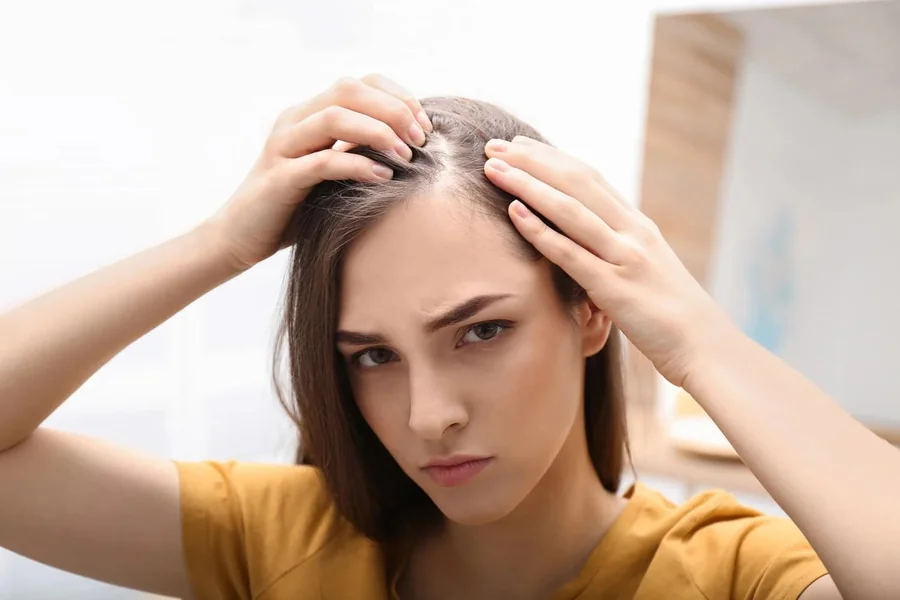
In women, receding hairline can be in the form of gradual weakening of the temples, the top of the head, or the tip of the hair-line. Nevertheless, there are many differences in trends between individuals.
The most frequent cause of loss of hair in women is the female pattern hair loss. It usually starts with a broadening portion or general thinning at the top of the head as opposed to the drastically receding hairline commonly connected with male pattern hair loss. However, temples recession may also be experienced among some women having female pattern hair loss.
The other named condition is known as frontal fibrosing alopecia that may appear more similar to receding hairline. It is usually associated with loss of hair on the front and sides of the head as well as eyebrows. Before hair loss appears, some people get itchy or suffer pain in and around the affected part.
Also, the emergence of receding hairline may be due to hair breaking off and not wilting off the follicle. When the front of the hair is subjected to much tension, heat, or harmful styling activities, then shorter fragmented hairs may cause the hairline to appear thinner.
Due to the variety of conditions that may make changes resemble each other, it is impossible to use appearance alone to identify the causal agent.
Common Causes of Hairline Thinning in Women
Women might experience thinning around the front of their head to attract several reasons. One of the most frequent ones is hereditary hair loss. Hair loss in women depends on genetics and age, which may result in more apparent. It can also be due to hormonal changes especially during menopause.
The other possible cause is tight hairstyles. Repetitive pulling of the hair as ponytails, the buns, braids, cornrows or any other hair style can place the follicles with long-lasting stress. This disease is referred to as traction alopecia. When the stress lasts a long time, the resultant loss of hair may be hard to reverse.
Other causes may be temporary shedding. Increased shedding may occur because of excessive physical or emotional stress, sickness, high fever, surgery, and child birth. The shedding in a few other cases has been seen some months following the triggering event and thus the connection between them is hard to see.
The hairline may also suffer inflammatory or scarring diseases. Frontal fibrosing alopecia is of special concern as it may cause any hair follicles to degenerate irreversibly. Early medical intervention can aid in avoidance of progression of the said condition.
Loss of hair can also be caused by nutritional deficiencies. Dermatologists are not to presume that someone needs to take supplements, but maybe deficient in iron or zinc; they may order blood tests to verify this and ensure that the deficiencies are fixed. Sometimes overdosing with unnecessary supplements may prove to be harmful.
When Should You Be Concerned About a Receding Hairline?
Moving the hairline will certainly not be a sign of a serious issue. Naturally, hair density varies with age and and uneven hairlines occur naturally in some women. But conspicuous development merits notice.
In case the hairline is still moving backwards, the temples are getting sparser or the scalp is becoming more exposed, then it is time to make a dermatologist appointment. It can also be advantageous to assess it early on in the event that the hair loss is occurring at a rapid pace.
Be aware of other symptoms. Symptoms of scaling, redness, itch, pain, or change of the skin at the hairline could be signs of inflammatory scalp condition. Browning eyebrows, which occur simultaneously with other hair losses, is also a significant indicator since frontal fibrosing alopecia is a disorder that spreads in frontal hairline and eyebrows.
Another factor to consult a specialist is the sudden bald patches. Alopecia areata, such as one, can leave discrete areas of hair loss, and must be dealt with using a different method than hereditary hair thinning.
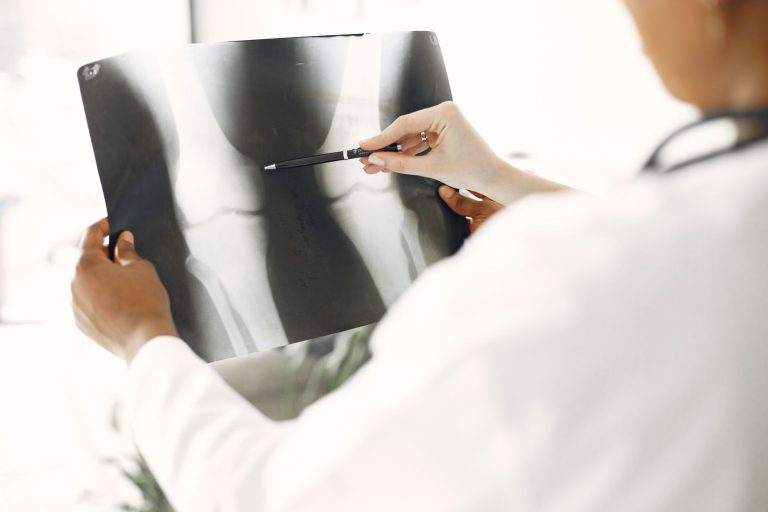
A dermatologist may look at the scalp and type of hair pattern and know that either shedding, a follicle that has been miniaturised, breaking, traction, inflammation, or scarring is the problem. Further testing or a scalp biopsy can be prescribed in case of additional investigation of the cause.
This approach is more effective in finding the appropriate diagnosis instead of experimenting in using several hair products, without understanding the cause of the issue.
Treatment Options for a Receding Hairline in Women
The underlying cause determines how to treat a thinning hairline, therefore, no universal solution exists that can work with all thinning hairline women. The dermatologist might prescribe a medication, changes in hair-care regimens, or a preexisting health condition.
Topical minoxidil is among the treatments that are frequently recommended to treat female pattern hair loss. It is offered in various strengths and formulations, and it can possibly retard hair loss, or stimulate growth in some women. An outcome is normally not immediate and regular reuse is typically needed to sustain gains. Since not all people can use minoxidil, since it is known to induce side effects, it is better to consult a healthcare professional on its usage.
When traction is a contributing factor, it is significant to relax. Repeated stress upon the follicles can be reduced by loosening of the hair, shifting the location of ponytails or braids and avoiding styles that result in pain. The AAD points out that the early traction alopecia can be improved once the pulling is stopped and long-term traction may lead to irreversible loss of hair.
Hair loss that is caused either by an inflammatory process or scarring needs medical intervention. As an illustration, dermatologists can prescribe anti-inflammatory drugs or other treatment to the frontal fibrosing alopecia. This is usually aimed at managing inflammation, and banning further damage of follicles instead of treating established baldness.
In case a medical condition, nutritional deficiency or medication is causing the hair loss, then treatment of the underlying cause could also help the situation. Before commencement of a treatment plan a professional assessment is thus worthwhile.
Everyday Hair Care Tips
Cautious treatment of hair can be used to minimize maximum damage in the meantime you take care of the root cause of hairline thinning. Do not pull the hair too hard, particularly at the parts of the head over the temples and at the front of the head. In cases of discomfort in a hairstyle or headache, then this indicates that the hair is exposed to excessive tension.
Reduce use of high heat that comes with straighteners and curling irons as well as very hot blow dryers. Too much heat may also make the hair shaft weak and lead to breakage, thus making thinning areas more apparent.
Care should also be taken of chemical treatments. Repeated bleaching, relaxing, perming or any other aggressive treatments may ruin the hair and make it more delicate. Resting between treatments will also help to minimize the needless stress.
Select a mild shampoo and do not scrub the scalp harshly. In brushing long hair, be gentle and do not tug at it as it can get easily tangled. When de-tangling, a wide-tooth comb may come in handy, especially when the hair is wet and more prone to being pulled.
Nutrition matters too. Normal hair growth is achieved through a balanced diet with sufficient protein, iron, zinc, vitamins and other nutrients. Though, supplements cannot be immediately regarded as a solution. Blood tests and expert advice can aid in deciding whether or not a deficiency does exist.
Such habits might not undo all kinds of hair loss but they could serve to salvage the little left hair and minimize unnecessary loss.
How to Feel More Confident During Hair Loss
Hair changes may have an impact on confidence, particularly in cases where it is thinning in front of the scalp and is very noticeable. It is only natural to experience frustration or self-deprecation, whereas loss of hair does not mean that someone is their worth or looks alike.
Such hairline augmentations with simple changes in style can be performed in the meantime that you are contemplating a permanent course of action. A quick fix to gain a bit of confidence can be changing the part, applying mild volumizing hair products, or a hairstyle that draws less attention to the temples.
Hair fibers and cosmetic scalp also can help to conceal parts of the diminished area of density. These alternatives do not remedy the real cause, although they may come in handy during special events or when doing the normal day hair make-up.
Certain women prefer shorter hairstyles since they are not that noticeable when thinning is involved and can lessen tight styling. Some like wigs, hairpieces, scarfs or other accessories. The only choice is simply the one that will leave you comfortable.
It can also be beneficial to converse with someone you trust. In case the loss of hair is triggering a lot of emotional turmoil, talking to a mental health provider about those emotions may be fruitful.
Remembering that the desired treatment is not all about enough to meet some specific definition of beauty is the most crucial step. It is all about knowing what is going on and doing the approach that will make you feel comfortable.
Read More: Low Calorie Snacks That Are Filling, Tasty, and Easy to Make
Final Thought
Several possible causes of a receding hairline in women include genetic hair loss and frequent tension in the hair caused by styling, inflammatory scalp diseases, or temporary shedding. Due to similarity between these conditions, diagnosis is a crucial step.
Relaxing treatment of the hair, non-tight hairstyles, healthy balance of the diet, and looking at alterations occurring on the scalp may help make hair habits healthier. The gradual hairline loss, acute loss of hair, scalp-related symptoms, or loss of eyebrows, however, must be analyzed by a dermatologist.
Some forms of hair loss can be treated successfully, but the sooner the underlying issue is diagnosed, the easier it may be cured. Professional diagnosis will enable you to adopt an approach that is dependent on the actual cause rather than depending on unproven products or supplements.
The loss of hair may be a stressful event, yet you need not deal with it on your own. When equipped with the appropriate information, proper treatment, and professional advice when necessary, you can then control the condition and be less embarrassed with your hair and rest of your outward appearance.
FAQs
What causes a receding hairline in women?
Common causes include female pattern hair loss, traction from tight hairstyles, inflammatory scalp conditions, hormonal changes, temporary shedding, and certain nutritional or medical issues.
Can women naturally have a high hairline?
Yes. Some women naturally have a higher or uneven hairline. A dermatologist can help determine whether a hairline is naturally shaped or is changing because of hair loss.
Can a receding hairline grow back?
Regrowth depends on the cause. Some forms of temporary shedding or early traction-related hair loss may improve, while scarring conditions can permanently damage follicles.
Does wearing tight hairstyles cause hair loss?
Repeated tension from tight ponytails, braids, buns, extensions, or similar styles can contribute to traction alopecia. Reducing tension early may help prevent further damage.
When should I see a dermatologist?
Consider seeing a dermatologist if hair loss is progressing, appears suddenly, creates bald patches, affects the eyebrows, or occurs with itching, pain, redness, scaling, or other scalp changes.
Is minoxidil suitable for every woman?
No. Minoxidil can be useful for some types of hair loss, but it is not appropriate for everyone. A healthcare professional can help determine whether it is suitable for your situation.