
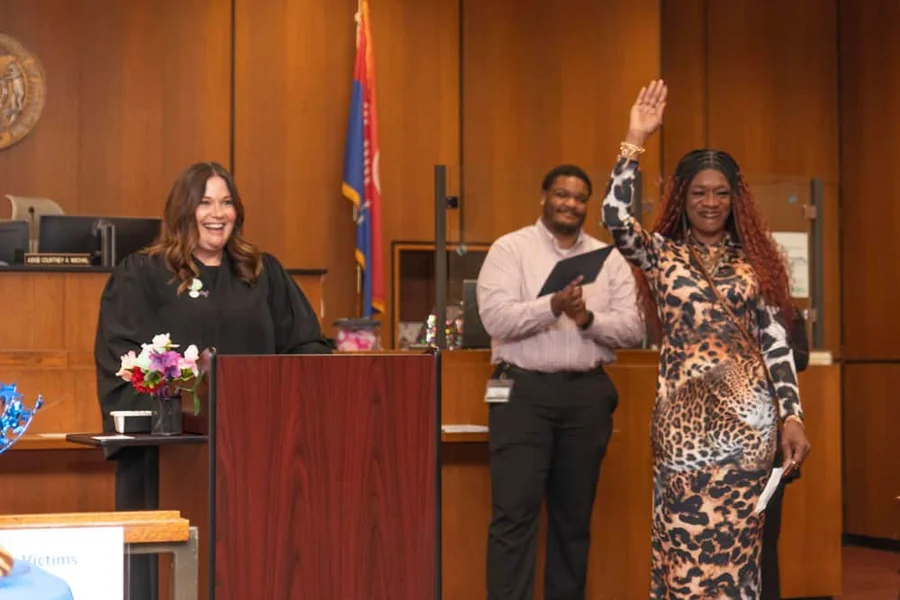
When you are involved in a court case it can feel like you are at a crossroad. One road may result in a greater penalty. Another may be an opportunity to deal with what caused the situation in the first place. That second way is exactly where the Kansas City Wellness Court comes in. Kansas City Municipal Court started Wellness Court in January 2025. It combined the former Drug Court and Mental Health Court into one program. The goal is straightforward and clear: to treat persons with co-occurring substance use and mental health problems, while protecting the public. Wellness judicial provides an alternative path for anyone seeking an alternative in the Kansas City judicial system.
What Is The Kansas City Wellness Court?
Wellness Court is a specialty court program of the Kansas City Municipal Court. It offers services to those facing criminal charges in the Municipal Court who exhibit symptoms of co-occurring substance use and mental health issues. Participation is voluntary. The court does more than just see if someone shows up for hearings. Participants enroll into a court-supervised structured treatment regimen. The strategy may include:
- Treatment of mental health
- Drug abuse therapy
- Relapse prevention
- Community support
- Housing assistance
- Career or educational goals
- Community service
- Judicial review (regular)
The objective is to deal with the individual, not the charge. This is important since there is an overlap between mental health concerns and substance use. Somebody might require help with both at the same time. Kansas City’s prior system featured separate paths for Drug Court and Mental Health Court. Wellness Court combines all those necessities under one roof.
How It Works
Wellness Court features four primary phases:
- Orientation
- Stabilization
- Returning to the Community
- Maintenance
Each phase has its own objectives. Participants must comply with their treatment plan and court requirements. This is not a quick fix. The program needs to be worked on over time. Graduation requirements include successful treatment, completion of treatment goals, compliance with the Wellness Court contract and compliance with a relapse prevention or aftercare plan. Participants must also be alcohol and drug free for at least 180 days. Another important goal is stable housing. So are jobs, school, volunteering or day therapy. That’s a huge thing. The court is not asking merely, Did you stay out of trouble? It also asks, Are you creating a stable life?
Who is eligible for Wellness Court?
Wellness Court is for those with co-occurring treatment needs, meaning mental health and substance use. The individual case and needs determine the precise route into the program. A judge, defense attorney, or court team can help identify someone who can benefit from the program. Signs indicating treatment for substance use may be needed, according to the court’s Drug Court guidance. Examples include positive drug tests while on probation, drug-related offenses or conduct related to alcohol or drug usage. That doesn’t mean everyone with a drug or mental health problem qualifies. Case Specific Eligibility A person should speak with a trained attorney or proper court professionals about their case.
And what happens when someone walks in?
Participants, once admitted, work through treatment and other court requirements. The procedure may require regular court appearances, counseling, drug testing, community support and working on housing or job issues. There are other folks who may need support with practical concerns. Consider transportation, health care, rent, employment requirements, or connecting with local agencies. And that’s where help from the community can be so powerful. Beyond the Bench KC helps fund the rehabilitative mission of the Specialty Courts in Kansas City. Its services can help to overcome hurdles to housing, employment, transportation, medical care and other essential needs. Find out more about Kansas City Specialty Courts and the community resources for participants.
Wellness Court vs Jail: Which is Better?
For some people rehab can be a more direct way to address the problem than jail. That’s pretty much the principle behind problem-solving courts. They are looking at issues that may lead to repeat offenders instead of just trying to punish. Kansas City Municipal Court calls its specialized courts alternatives to jail that provide defendants with tools and resources for successful reintegration. But Wellness Court is no walk in the park. Participants must meet severe conditions. They have to go to treatment, follow the rules of the court, accomplish their program goals, and make significant changes in their everyday life. Skip a treatment? Fail to follow the plan? Ignore court conditions? These issues can impact the case. It’s an opportunity through the program, but the individual has to do the work.
What About the Women’s Court Option?
Wellness Court also has a Women’s Court track dubbed WIN, or Women in Need of Change. The track is trauma informed. Its purpose is to promote independence, recovery and self-sufficiency for the women in the program. This approach understands that occasionally trauma, substance use, mental health difficulties and engagement with the legal practice management system coincide. It’s more than just what happened in court. It also takes into account what a person needs to get through.
Why Community Support Is Important
The court can make the regulations but real life is not in the court chamber. But a person needs a safe place to live. They could require a ride to treatment. They may need work clothes, medical care or assistance finding a job. Little things can become enormous things. Beyond the Bench KC fills those gaps for persons associated with Kansas City’s Specialty Courts. It says its purpose is to address the root causes of criminal behavior and to bring about lasting positive change. That assistance helps participants keep focused on rehabilitation instead of becoming bogged down with difficulties that are hard to solve alone.
FAQs
1. What is the KC Wellness Court?
Kansas City Wellness Court is a specialty court within Municipal Court designed for those who have co-occurring substance use and mental health concerns. It merges the former Drug Court and Mental Health Court programs. Participation is voluntary and requires judicial supervision, treatment and other aims of life stability.
2. Is Kansas City Wellness Court a substitute for jail?
It can be an alternative to incarceration for those who qualify. The program includes treatment, court oversight and compliance with certain restrictions. It is not automated and relies on the individual’s case and needs.
3. What is the length of the Wellness Court?
The curriculum consists of four parts and requires participants to complete many graduation goals. These include completing treatment, sobriety for at least 180 days, stable housing, and work, school, volunteering or day treatment.
4. Can Wellness Court assist with housing and employment?
Yes. Housing and jobs are included in the program’s overall stability aims. Community partners can also help participants overcome practical challenges such as housing, transportation, medical needs and employment resources.
5. How does someone find more about Kansas City Specialty Courts?
Contact the Kansas City Municipal Court or speak with your defense lawyer about any available specialty court possibilities. Beyond the Bench also offers information and community support for Kansas City’s Specialty Courts. Each case is different and you should seek legal guidance from a qualified Missouri attorney.







1 thought on “Kansas City Wellness Court: Your Complete Missouri Guide to Alternative Justice”