
And it is not alone that you may have raised the question, what is a flip phone. Although smartphones are taking the center stage of the modern world of mobile technology, flip phones still enjoy a special place in the history of communication, and still have a faithful user base. They were known due to their distinct folding features, small size, and simplicity, and were once some of the most popular mobile phones in the world.
To most, flip phones remind of the early 2000s when closing a phone after a call was a pleasurable and fashionable experience. Nevertheless, flip phones are not the only thing of the past. More recent models keep on being developed with new features but still maintaining the practical design that has made them so popular.
Regardless of your interest in mobile technology, or you just want to use a phone that is less complex or you just want to have a glimpse of the functionality of these phones, having knowledge about the flip phones will give you an insight on a significant moment in the history of communication technology.
The design and functionality of the flip phones, as well as their benefits and contemporary revival, keep drawing attention not just due to the sense of nostalgia.
Understanding the Design of a Flip Phone
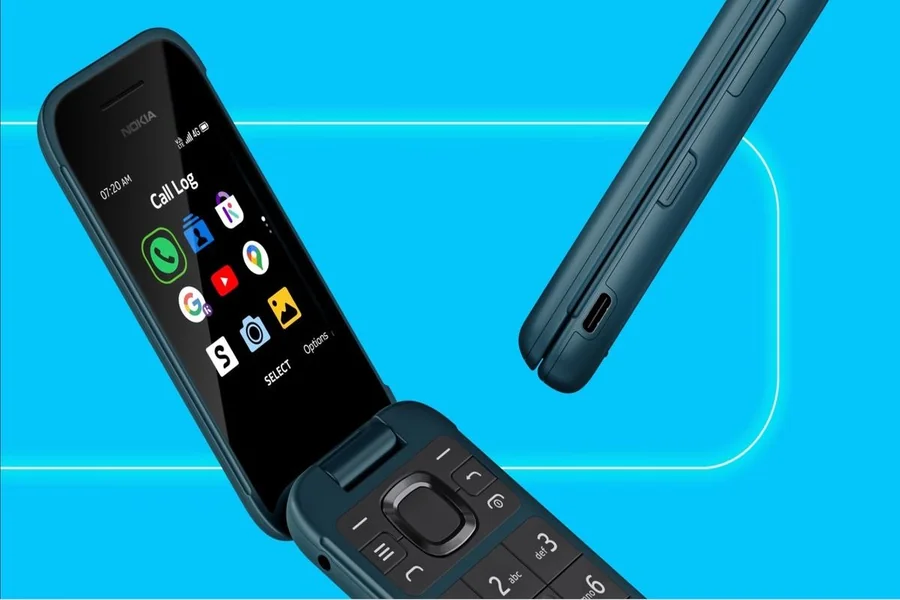
A flip phone is an electronic phone that has a hinge like design that enables the phone to fold over when it is not in use.
The display screen is usually placed at the top part and the keypad (or navigation controls) is located at the bottom part. Hinge between these parts enables people to use the phone when calling or using something and close it after use to protect and carry it.
This type of clamshell design became very popular due to the advantages it provided. When not open, the screen and keypad were guarded against scratches, dust, and accidental presses of the buttons.
Most flip phones also had an external display which displayed simple information like time, battery conditions, incoming calls or notifications without having to open the phone.
These devices were pocketable, easily transported in bags, purses or even pockets which made them easy to carry. This was one of their most attractive features because they were very portable.
Flip phones also had unique identity due to the unique opening and closing gesture, which made them stand out amongst other mobile phones of that time.
The clamshell design has been one of the most identifiable mobile phone designs even up to this day.
The History and Rise of Flip Phones
Flip phones were popular in the late 90s and early 2000s.
With the mobile phones becoming smaller and more portable products because of improved technology, manufacturers were oriented to finding new methods to enhance convenience and functionality. The flip design proved to be a good solution.
This format became popular soon as it was a blend of protection and portability. When the phone was closed, users were able to carry a relatively large screen and keypad and yet had a relatively small overall size.
The flip phones became a part of culture in the early 2000s. They were common in films, TV programs, and commercials. Possessing an attractive flip phone had frequently become a mark of technological change and self-expression.
Producers vied against each other to produce thinner, light and more feature rich models. The use of cameras, color displays, internet, and multimedia capabilities were slowly introduced.
Flip phones seized control of the mobile phone market in most of the countries over a few years.
As still seen, the consumer favor shifted with the introduction of touch screen smart phones, yet the impact of flip phones on the mobile technology cannot be ignored.
Their popularity aided in designing and developing future communication devices.
Key Features of Traditional Flip Phones
Conventional flip phones were more oriented towards communication and basic mobile operations.
It was natural to voice calling. The design could be comfortable to have conversations since the speaker and microphone was positioned at a good position with the face of the user during an open phone.
Another significant use was the text messaging. Despite the numeric keypads that were usually used in typing, the efficiency of the users in the transmission of messages increased tremendously.
One of the most powerful advantages was battery life. Since ordinary flip phones were not powered by big screens and did not have as many power-intensive applications as smartphones, their batteries could last many days with one charge.
There were numerous models that consisted of simple cameras, alarm clocks, calculators, calendars, and simple games.
There were later gadgets that included internet browsing, email, and multimedia playback. But these features were typically less sophisticated than those of smartphones.
They were also popular because of their longevity. Folding design ensured that the phone guarded the susceptible parts when it was not in use.
These functionality items contributed to the attraction of a wide consumer base to flip phones.
Why Some People Still Use Flip Phones Today
Although smartphones are embraced by many people, flip phones still have certain reasons why they still appeal to users.
Simplicity is one of the key factors. Numerous individuals value gadgets dedicated to calling and chatting without any distractors related to social media, apps on mobile phones, and frequent notifications.
Another advantage is in long battery life. Its customers that value reliability will be happy to know that they do not have to charge their phones on a daily basis.
Sturdiness is also attractive. Protective folding design minimizes damage to the screen and accidental button presses.
Other people opt to use flip phones in a digital detox program. They will decrease the amount of access that they have to various online services in order to reduce distractions and enhance the focus instead.
The elderly could opt to use the flip phones due to their simplicity and ease of use.
These gadgets are sometimes bought by parents who want kids to have limited functionality of smartphones by not allowing them to have unlimited access.
Another factor could be cost. Most modern smartphones are usually pricier than traditional flip phones.
These aspects show that flip phones still have their functional uses in the world dominated by smart phones.
Modern Flip Phones and Their Evolution
The flip phones of today are not the same as those that were in use several decades ago.
A lot of contemporary models are based on the old-fashioned folding structure along with new technology. Such phones tend to have quicker networks, better cameras, bigger screens and connectivity.
Other contemporary flip phones incorporate the use of touch screens, applications and the use of the internet but still retain the traditional clamshell shape.
Foldable smartphones have also been launched by manufacturers as they are inspired by traditional flip phones. These mobile devices have touch screens that can be folded, with advanced smartphone functions and a small size.
This development shows that the original concept of the flip phone still plays a role in modern technology.
On the one hand, the consumers of the nostalgic designs can now afford the use of the devices whose appearance is the combination of classicism and modernity.
The resurgence of the foldable technology has served to revive the popularity of the advantages of small, folding mobile devices.
Although the technology has evolved a lot, the essence of the flip design has not been lost.
Advantages and Disadvantages of Flip Phones
Flip phones, just like any other technology, have advantages and disadvantages.
One of their greatest advantages is simplicity. People will have the opportunity to communicate without being distracted with numerous applications and messages.
The battery life normally beats most smartphones. Other models have a range of days on a single charge.
Portability is another benefit. The small folded style allows easy and convenient transportation of the device.
Durability cannot be left out either. Sealing the phone will ensure the screen and keypad are not battered on daily use.
Nevertheless, we have limitations too. Conventional flip phones as a rule have less functionality as compared to smartphones.
Multimedia features, advanced photography, and web browsing are frequently restricted.
Physical numeric keypads may not be as convenient when typing long messages.
The screens tend to be smaller that can influence reading and consumption of media.
Finally, whether to have a flip phone or a smartphone depends on personal priorities and preferences in use.
The needs and lifestyles that each kind of device is applied to are different.
Read more: Portable Printer Wireless Solutions for Printing Anywhere With Ease
Final Thought
Then what is a flip phone? It is a portable device that is described by its clamshell folding design, functionality and longevity. Although it was initially created as a portable and screen protection phone, flip phones became a symbol of communication that motivated a world of mobile devices.
Even though smart phones have dominated most of the traditional flip phones, these phones still have some benefits that are valued by many. Simple, long battery life, sturdiness, and few distractions are all the more appealing in a more connected world.
The contemporary versions now have dynamic technology with a classic design that has made flip phones so popular. The emergence of foldable smartphones is another indicator that this innovative format will have a lasting effect.
The flip phone is a significant aspect of mobile technology history, whether it is considered a sweet memory of the times gone by, or a handy device of the present, the phone is still in use by people across the globe.
FAQs
What is a flip phone?
A flip phone is a mobile device with a hinged design that folds in half, typically featuring a screen on one side and a keypad on the other.
Why are flip phones called flip phones?
They are called flip phones because users flip the device open and closed using its hinged clamshell design.
Do people still use flip phones today?
Yes. Many people continue to use flip phones because of their simplicity, long battery life, durability, and lower cost.
Are modern flip phones different from older models?
Yes. Modern flip phones often include improved connectivity, better cameras, larger displays, and support for additional features.
What are the advantages of a flip phone?
Common advantages include simplicity, compact size, long battery life, durability, and fewer distractions.
Can flip phones access the internet?
Some modern flip phones support internet access, email, and limited app functionality, although capabilities vary by model.