
Unwanted hair is very irritating and when shaving, waxing or threading you are not achieving long term results, this can be incredibly annoying. Electrolysis hair removal can be an option especially in the cases when you want a longer lasting solution. It is a professional therapy that involves the use of electrical energy in order to destroy individual hair follicles in order to ensure that hairs that are treated do not grow again.
Electrolysis is also able to work on a variety of hair color and skin tone unlike some other types of hair removal. This renders it an attractive choice to individuals whose hair might not respond to laser treatments effectively. It is however not a single session treatment. Hair is grown in various periods, thus, a number of appointments are normally required to treat a section.
Prior to selection of this approach, it is useful to know the mechanism of action of the treatment, what outcomes you can anticipate and how to take care of your skin afterward. Electrolysis can be a productive component of a long-term hair removal strategy, with realistic expectations, and a qualified professional.
How Electrolysis Hair Removal Works
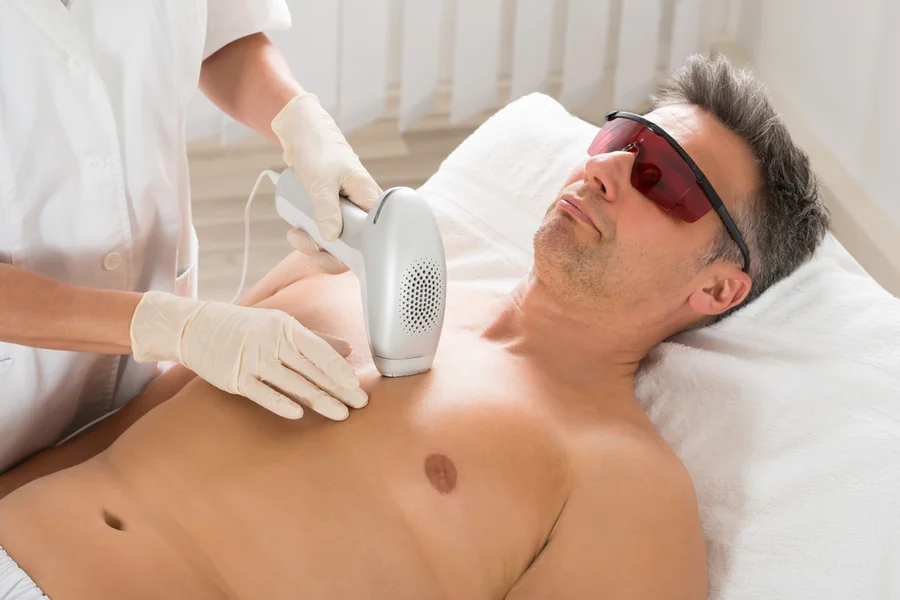
Electrolysis is aimed at attacking the hair follicle and is not just a matter of cutting or pulling the hair that is seen. A fine probe is inserted in the natural orifice of the hair follicle during a professional session. Then a little electric shock is advanced to harm the follicle to form hair.
Removal of the treated hair is done one by one. Since the treatment of follicles is done individually, it may be time consuming. Areas like the upper lips, chin, eyebrows or sides of the face are smaller and may be easier to treat as compared to larger parts like legs or back.
All the hair does not grow simultaneously. Other follicles are resting whereas some are active. This is one of the reasons why several appointments are required. Repeated treatment of an area will enable the professional to act on hairs as they reach an appropriate growth stage.
According to American Academy of Dermatology, electrolysis is able to eliminate unwanted hair permanently, as well as, do the same to all kinds of hair including light-colored hair that a laser treatment is not able to effectively hit.
The feeling may differ among individuals. It can be explained as a fast twitching or pinching of some individuals. The degree of discomfort may also be determined by the area of treatment, the thickness of hair, the sensitivity of the individual and the method applied by the professional.
Before commencing, a qualified electrologist must explain how. They also have the ability to speak about the number of sessions to expect depending on the part of the body that is being treated and the amount of hair.
Benefits of Choosing Electrolysis
Potential of permanent hair removal is one of the largest motivations why people opt to undergo the process of electrolysis. Rather than having to shave or wax the same part, when treated well, the follicles may cease to produce hair.
The other benefit is that the hair color does not determine the treatment like in the case of laser-based treatments. Light, blonde, gray, white and red hair can be treated. This is especially handy to individuals with multi-coloured hair.
It may also be applied on most body parts. Facial areas are popular as it might need accurate treatment. An experienced professional can treat the upper lip, chin, jawline, sideburn area and eyebrows.
Grooming can also be made easier to people who habitually have issues with shaving by cutting down on unwanted hair. Shaving may cause some cases of razor bumps, cuts, irritation or ingrowth of the hairs. Electrolyte removal of unwanted hair at the level of the follicle may save the interference of shaving the area frequently.
The other advantage is that there is usually no considerable downtime. After an appointment, you can possibly resume normal activity. Nevertheless, the skin may be sensitive or red in the short term, so it is important to adhere to the aftercare instructions.
Long term financial benefits are also to consider. Even though professional treatments can prove to be costly in the long run, considering the overall cost can be more reasonable to someone who has paid money on razors, waxing services, creams, or other temporary hair removal services over a long period of time.
Nevertheless, the outcomes are much dependent on the ability of the individual taking the treatment. The AAD cautions that inexperienced electrolysis might result in burns or scarring, with unsterile probes possibly raising the infection risk.
What to Expect During and After Treatment
Your initial meeting can commence with a consultation. The professional can visualize treatment area, discuss your growth along with hair, inquire about your skin sensitivity, and describe how treatment is expected.
Each individual follicle is treated separately in the session. It depends on the area size and quantity of hair. It can be just a few minutes of visits to a small area on the face, but larger ones can be much as an hour.
You can see some redness or slight swelling in the area around treated follicles. This may be a normal reaction to the treatment. There are also those who might get some mild tenderness in the short run.
After treatment, avoid unnecessarily touching the treated area. Your professional can prescribe mild cleansing and targeted skin-care products, based on your type of skin and the treated area.
It will also be reasonable not to do anything that may lead to unwanted irritations right after treatment. Temporary redness may be aggravated with heavy rubbing or scratching at the skin or the use of irritating cosmetic products.
Another key to the proper care of the skin is sun protection. New skin sometimes feels fresher and therefore giving it protection against having excessive exposure to the sun can prevent the skin being irritated and developing undesirable pigments.
The aftercare instructions may be different based on the area of treatment and your skin. Instead of using random goods suggested on the Internet, heed the recommendation of your competent specialist.
In case of the appearance of strange swelling, intense pain, irritation that does not cease, the presence of an infection, or an apparent change of skin, call your treatment provider or call a qualified healthcare provider.
Is Electrolysis Right for You?
Electrolysis may be a great option when you desire a lasting solution and can afford to go through several appointments. It can be particularly interesting, in case you have light-colored hair, which does not react to the laser treatment.
But be patient. Electrolysis can be quite slow since it involves dealing with the individual follicles. The treatment can be time consuming to someone who wants to have a huge quantity of hair and wants to remove it fast.
Budget is also to be taken into consideration. The overall cost is determined by the size of the area, quantity of hair, length of sessions, location and experience of the professional. Rather than just the cost of a single appointment, think about the approximate cost of the treatment plan.
Who does the procedure is also significant. Find a qualified and skilled electrologist and inquire about hygiene. The use of sterile equipment is necessary since the procedure is to be carried out directly as the hair follicles.
Also, you are to enquire how they deal with various types of skin and whether they ever dealt with your specific area. In case of skin condition, any strange hair growth, unexpected alterations in facial or body hair, you may be interested in discussing it with a dermatologist before proceeding.
Electrolysis can also be compared and contrasted with other alternatives. Shaving is cheap and fast, however, it requires a high level of maintenance. Waxing is long lasting and can be irritating in the short run. Laser therapy is effective in reducing hair growth in most cases over several sessions however not on all hair colors. Electrolysis is slower per follicle, and may permanently eliminate treated hairs, and may be applied to any color of hair.
Tips for Better Results and Safer Treatment
Selecting an experienced individual is among the crucial procedures. Do not choose a provider because of a low price. Enquire regarding training, experience, hygiene practices and equipment utilized.
Discuss your expectations before your initial meeting. Inform the professional about what part of your body you would like to be treated and how often you have been irritated by shaving or waxing hair or other forms of hair removal.
Do not attempt to carry out any professional-level electrolysis using untested amateur equipment. The AAD cautions against the dangers of unskilled cosmetic surgery and the seriousness of having the appropriate trained personnel when undertaking the surgery that might hurt the skin.
Always keep the treated skin clean and adhere to aftercare instructions you get. Do not pick or scratch the area; even when you see minor bumps or reddening.
You should not expect that all the hair will come out after a single treatment. Hair is cyclical and multiple therapies are usually required. It is also common to be consistent with appointments than make a judgment based on the treatment following the first session.
It can also be beneficial to take photos before you start, to compare progress in the long run. The changes can be slow, thus it can be hard to see how things are changing when you look at the area day in day out.
Mostly, ensure that your skin has time to rest between sessions. In case your skin is sensitive following treatment, inform your provider, and he/she will decide when to visit again. Depending on your reaction, they can change the treatment approach.
Read More: Low Calorie Snacks That Are Filling, Tasty, and Easy to Make
Final Thought
Electrolysis may be a good alternative to individuals seeking a lasting remedy of undesirable hair. It is able to treat various colors of hair and it removes treated hairs permanently hence unlike most temporary hair removal methods.
All people have to do is to keep in mind that it takes time to achieve good results. Hair is grown in cycles, therefore, several appointments will be required. It could also be safer and more comfortable to choose an experienced professional and adhere to a correct aftercare.
There are several things to keep in mind before beginning to treat your skin: goals, budget, skin sensitivity, and area of interest. In case of worries regarding abnormal hair growth or a skin condition, it is a good idea to consult a dermatologist. Electrolysis, with realistic expectations and professional attention, can be used to make sure that the constant shaving, waxing and other temporary grooming procedures are not necessary.
FAQs
Is electrolysis hair removal permanent?
Electrolysis can permanently remove treated hairs by damaging the hair follicle. However, multiple sessions are usually required because hairs grow at different stages. The final outcome can vary between individuals.
Does electrolysis hurt?
You may feel a quick stinging or pinching sensation when a follicle is treated. Discomfort varies depending on the person, treatment area, hair type, and individual sensitivity.
How many electrolysis sessions are needed?
There is no single number that works for everyone. The required sessions depend on the treatment area, hair density, growth cycle, and individual response. A professional can give you a better estimate after assessing the area.
Can electrolysis remove blonde or gray hair?
Yes. One major advantage is that electrolysis can treat light-colored hairs. This makes it useful for hair colors that may not respond effectively to laser hair removal.
Can electrolysis be used on the face?
Yes. Facial areas such as the upper lip and chin are commonly treated. Because facial skin can be sensitive, it is especially important to choose an experienced professional.
Are there side effects from electrolysis?
Temporary redness, tenderness, or mild irritation can occur. In inexperienced hands, more serious problems such as burns or scarring are possible. Poor hygiene can also increase the risk of infection.
Can I shave between electrolysis sessions?
Your provider can tell you the best approach based on your treatment plan. Avoid plucking or waxing without discussing it with your electrologist because removing the hair from the root can affect how easily the follicle can be treated during future sessions.
Is electrolysis better than laser hair removal?
Neither option is automatically better for everyone. Electrolysis can permanently remove treated hairs and works with all hair colors. Laser treatment may cover larger areas more quickly but works best when there is enough contrast between the hair and skin. Your hair color, skin tone, treatment area, budget, and goals should all be considered.