
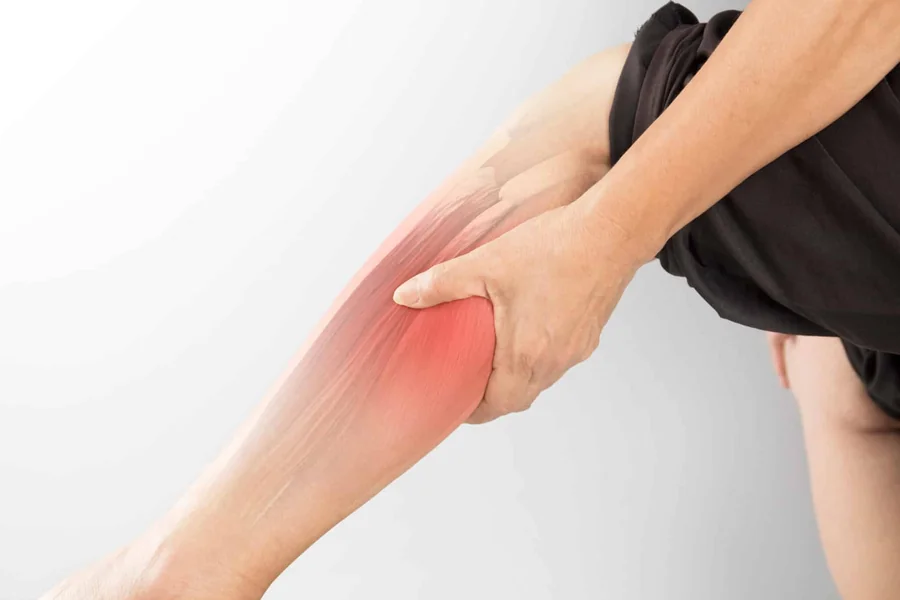
Even such a simple movement can be uncomfortable due to muscle knots. When you work at a desk all day you may experience tightness in your neck or when you walk you may experience a hard and tender spot in your back. Such regions are commonly referred to as muscle knots. They may give the feeling of lumps under the skin and when touched or pressed, they may cause pain.
Even though muscle knots are prevalent, they may be annoying when they disrupt work, exercise, sleep, or daily occasions. The significance of the good news is that most of the cases are treatable by just adopting some basic practices like light movement, stretching, massage, hydration, and rest.
Awareness of the causes of such tight areas may also aid in preventing such tight areas. Poor posture to overuse and stress are just some of the daily causes of muscle tension. It is also easier to select the appropriate method of relief knowing the possible causes.
What Are Muscle Knots?
The sensitive or tight place on a muscle is often referred to as a muscle knot. Healthcare practitioners can call these regions trigger points. They arise when one of the parts of a muscle is not fully relaxed.
In touching a tight part, it might seem harder than the rest of the muscle. When one presses it at times it may hurt the same part or create pain which would appear to be transferred to a different part. As an illustration, upper back/shoulder tension can be occasionally passed on to the neck.
The tension in muscles does not necessarily imply a grave issue. Daily tasks may impose a repetitive strain on some muscles. Spending hours in one position, having a heavy bag on one shoulder, sleeping awkwardly, or simply adding more exercise to your routine can all make you tight.
It can also be caused by stress. When individuals are anxious or put under some form of pressure, they can tighten their shoulders, jaw, neck or any form of other muscles unconsciously. When that tension is prolonged, it may result in discomfort being more pronounced.
It can be different to different individuals. Other people feel a soreness, or tenderness, or hard to move like in the normal way.
Common Causes of Tight and Tender Muscles
Muscle tightness is seldom caused by a single cause. A number of factors may interact and build up to cause discomfort.
Excessive use is one of the frequent reasons. The movements that happen repeatedly during sports, exercises, physical labor, or family chores may impose excessive strain on certain muscles. Unless the muscles are given sufficient time to rest, they can be tight and painful.
Others that are common are poor posture. Hours of scrolling down the phone or bending over the computer may add stress to the neck, shoulders, and upper back. Gradually, the muscles can become stiff because of occupying the same position.
Acute alterations in the major activity may too result in issues. Even when you regularly have a sedentary schedule and then suddenly do an intense workout, your muscles are not necessarily ready to be overworked. On the same note, the sore and tight feeling can occur when the experienced athletes suddenly increase the intensity or duration of training.
The factors of stress and emotional tension cannot be ignored. An everyday stress might lead you to raise your shoulders, or even tense your muscles unconsciously. Constant stress may cause some parts of the body to become fatigued and irritated.
Poor nutrition and dehydration can also influence the functioning and feel of your muscles. They are not the reason why all muscles are tight, but the right amount of fluid intake and a healthy diet should ensure normal muscle activity.
Sleeping patterns might also have something to do it. The wrong pillow, improper position to sleep or lack of sleep can leave the neck and shoulders tight in the morning.
How to Relieve Muscle Tightness at Home
Mild cases of muscle discomfort can be easily self-treated. The trick is not to treat the pain forcefully they can only worsen it.
Light stretching is one of the effective alternatives. Gradually use a comfortable range of motion through the affected area and do not strain the muscle. Taking a short break in a gentle stretch will help in relaxing the area. In case stretching is causing sharp or progressive pains, then cease and give the area a rest.
Some people can find heat useful, too. Warm shower, heating pad, or warm compress could make the muscles feel more relaxed. Do not expose your skin to too much heat or place a heating device against your skin too long.
Another popular method is massage. You can apply pressure on a tight area using your fingers, massage ball, or a foam roller. Begin with a small movement and not as hard as possible. It should be comfortable pressure and not intense pain.
Sometimes motion is preferable to immobility. As far as your prolonged sitting is the cause of your discomfort, then rise up and take a walk. Moving the muscles gently will make the affected muscles not to become even stiffer.
Priority is given to rest in the event of tightness after physical exercise. Allow your body to rest rather than to keep straining on the same part. This does not require necessarily lying in bed. Many people would be better with light activity that does not exacerbate the discomfort.
Keep watch of your daily routine as well. Be able to adjust your workstation, switch positions, and when using your phone, do not hold it in a manner that is straining your neck over long durations.
When Muscle Knots May Need Professional Attention
The majority of the day-to-day tightening of muscles can be cured by time and simple self-care. Nevertheless, chronic or extreme pain cannot just be disregarded.
Reasonable self-care may not help to eliminate discomfort and may last several days or weeks; in this case, it is better to consider talking with a healthcare professional. It is also recommended that you consult the doctor in case the pain continues to recur without apparent cause or it cannot allow you to perform normal tasks.
Some of them necessitate a greater focus. The presence of severe pain that follows an accident or a wound, excessive swelling, weakness, numbness, trouble moving a body part or pain with other worrisome signs and symptoms may be a sign of something besides typical muscle tension.
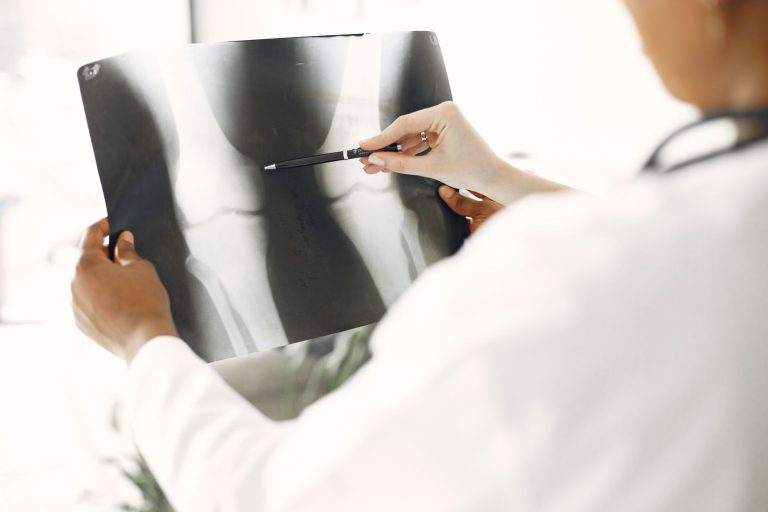
A medical expert is able to examine your symptoms and identify whether the pain is connected with muscle tension, joint issues, nerve irritation, or some additional issue. Treatment can be physical therapy, exercise education, medication, or other suitable care depending on the cause.
Another consideration is that not all painful lumps or tight spots are muscle knots. When you develop a new or unusual lump that does not appear to relate to muscle activity or that continues to alter, it is preferable that they be evaluated than thought to be harmless.
How to Prevent Recurring Muscle Tension
The trick to avoiding tight muscles is oftentimes just a matter of making little changes over time. You do not have to follow a complex exercise program.
When you sit all day long, then consider regular movement as a part of your routine. Sit up, move about and switch positions during the day. Unnecessary strain can also be eliminated using a comfortable workstation.
Exercise the body, do not strain it. The movement should begin with the light movement and then build up. Gentle activity after a workout will assist in returning to normal activity.
Flexibility is important and so is the strength. Regular workouts will enable your body to cope with daily stresses more easily. Pay attention to good form and not just attempting to move heavier weights, or attempting to work out longer hours.
Be aware of early warning signs. When your shoulders, back, or legs become tight after doing something specific, think about what could be causing the strain. It might be necessary to alter your approach, decrease the working load, have more breaks, or upgrade your recovery process.
It can also be managed by stress management. Tension-reducing methods, breathing, exercise, hobbies, and sleep could help to decrease the propensity to maintain tension in specific muscle groups.
General muscle health is also related to hydration and a balanced diet. Instead of consuming a specific food or supplement, strive to have a balanced diet that includes sufficient protein, carbohydrates, healthy fats, vitamins, and minerals.
Read More: Low Calorie Snacks That Are Filling, Tasty, and Easy to Make
Final Thought
A typical cause of tightness and soreness in muscles is the muscle knots, which arise owing to overwork or extreme positions of a muscle over a considerable period or due to stress. Mild tension can usually be relieved through gentle movement, stretching, massage, heat, rest, and improving daily habits.
Listening to your body is the best way to go, rather than going through aggravating pain. Unless pain is relieved, or is accompanied by bizarre symptoms, a medical consultation is the wiser option. By maintaining a regular exercise routine and having proper rest, a good number of individuals are able to ease the tension on their muscles and ensure that they do not turn daily pain into a chronic issue.
FAQs
Are muscle knots dangerous?
Most muscle knots or trigger points associated with everyday muscle tension are not dangerous. They often develop from overuse, prolonged posture, stress, or physical strain. However, severe, persistent, or unexplained pain should be evaluated by a healthcare professional.
How long can a muscle knot last?
The duration varies depending on the cause and how the affected area is treated. Mild tightness may improve within a few days, while recurring or more persistent tension can last longer. Continued strain may also prevent the area from settling down.
Should you massage a muscle knot?
Gentle massage may help some people reduce discomfort and relax a tight area. Avoid using excessive pressure or repeatedly pressing a painful spot. Stop if massage causes sharp pain, numbness, or worsening symptoms.
Is heat or ice better for muscle tightness?
Heat can feel soothing when muscles are tense or stiff. Ice is commonly used after certain acute injuries to help manage pain and swelling. The better choice depends on the situation, so severe or injury-related pain may require professional guidance.
Can stress cause tight muscles?
Yes. Stress can cause people to unconsciously tense areas such as the neck, shoulders, jaw, and upper back. When this happens repeatedly, the muscles may remain uncomfortable or stiff.
Can exercise prevent muscle knots?
Regular, balanced physical activity may help reduce the risk of recurring muscle tension. Warming up, using proper technique, increasing activity gradually, and allowing enough recovery time are all useful habits.
When should I see a doctor about muscle pain?
Seek professional advice if pain is severe, persistent, repeatedly returning, or associated with symptoms such as weakness, numbness, significant swelling, or an injury. A professional can determine whether another condition may be responsible.