
Thailand’s child-safety market is evolving from a product category into a knowledge-driven service field. Parents are asking more specific questions about certified limits, vehicle compatibility, installation, and long-term use. That shift rewards businesses able to translate technical information into decisions families can apply at the vehicle door, not merely at the checkout counter.
A Market Shaped by Better Questions
Awareness often begins with a simple intention to make travel safer, but the purchase journey quickly becomes complex. Families encounter different restraint modes, installation systems, labels, and claims about years of use. As shoppers learn that age alone is not a complete selection method, height, weight, physical fit, and manufacturer instructions become more prominent in the conversation.
This creates a healthier kind of demand. Instead of treating all models in a broad category as interchangeable, parents consider whether a product suits their child and car. They are more likely to ask for a demonstration, compare the permitted setup, and think about who will manage daily adjustments.
The market therefore grows in capability as well as volume. Retailers need informed staff, accurate product data, accessible instructions, and a consistent way to explain limits without turning guidance into a guarantee. Trust depends on saying when a model is unsuitable as clearly as explaining when it may fit.
Standards Literacy Changes the Purchase
Certification language can be difficult for a first-time parent to interpret. A standards-led retailer helps the customer locate relevant labels, understand the measurements used by the product, and distinguish a convenience feature from a safety requirement. The role is educational: it connects the family’s questions to the information supplied by the manufacturer.
This approach also reduces reliance on vague phrases such as “best for every child” or “use until a certain birthday.” A product may cover several stages, but each mode carries specific conditions. Clear explanations encourage parents to revisit those conditions after growth, a vehicle change, or a conversion between modes.
Within this market, Baby Hills Thailand can be understood as part of a specialist retail model in which product choice is linked with fit conversation and practical use. The value of that model lies in helping families compare appropriate possibilities while keeping the final setup anchored to the exact manuals and certified limits.
Fitting Support Extends Beyond Demonstration
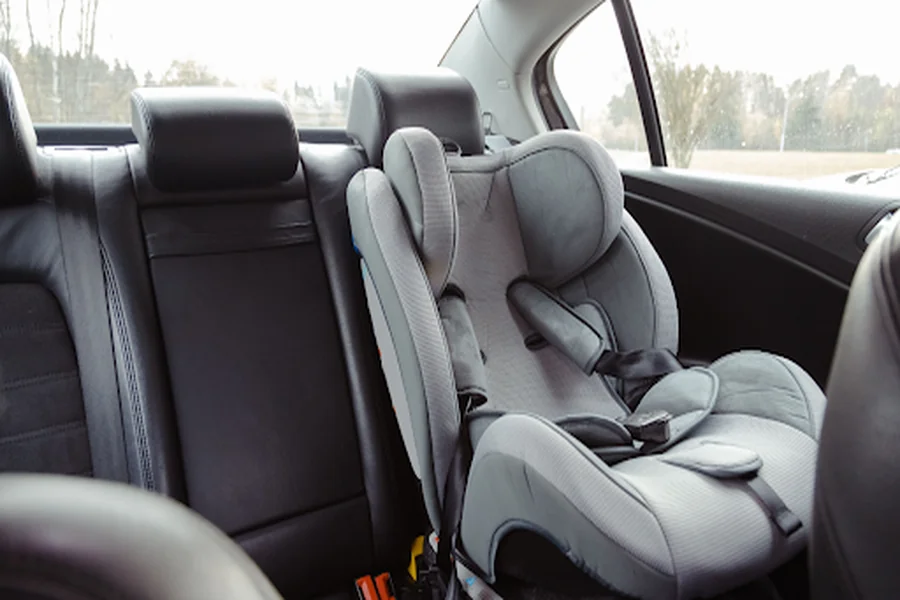
A showroom demonstration is useful when it involves the child’s vehicle rather than a generic display bench. Seat contour, anchor access, belt length and geometry, front-passenger space, and nearby seating needs can all influence compatibility. Testing these conditions before purchase can expose problems that a specification sheet cannot make visible.
Specialist support should also teach the caregiver. An installation performed without explanation may look correct on the day but leave the family unable to repeat it after cleaning or moving the equipment. A stronger service invites the adult to practice, identify indicators, adjust the harness, and explain the final check in their own words.
After-sales questions are part of the same safety system. Children grow, covers need cleaning, vehicles change, and multi-mode products require conversion. Retailers that can direct customers back to current manufacturer information and provide appropriate fitting help contribute to more consistent use over the life of the product.
Responsible Growth Depends on Credibility
The sector faces a useful discipline: safety claims must remain careful. Businesses should avoid inventing performance promises, overstating a single feature, or presenting price as a substitute for suitability. Accurate descriptions, transparent limits, and clear boundaries around professional advice build confidence more reliably than dramatic language.
Content also matters. Educational articles can prepare parents to ask better questions, but they should not pretend to replace hands-on fit checks or model-specific instructions. The most credible publishers distinguish general guidance from the requirements that apply to one product and vehicle combination.
Thailand’s growing child-safety market will be strengthened by retailers that treat knowledge as part of the product experience. When businesses combine standards literacy, vehicle-based fitting, caregiver practice, and continuing support, they help turn awareness into repeatable behavior. That is a more durable foundation for growth than novelty alone.