

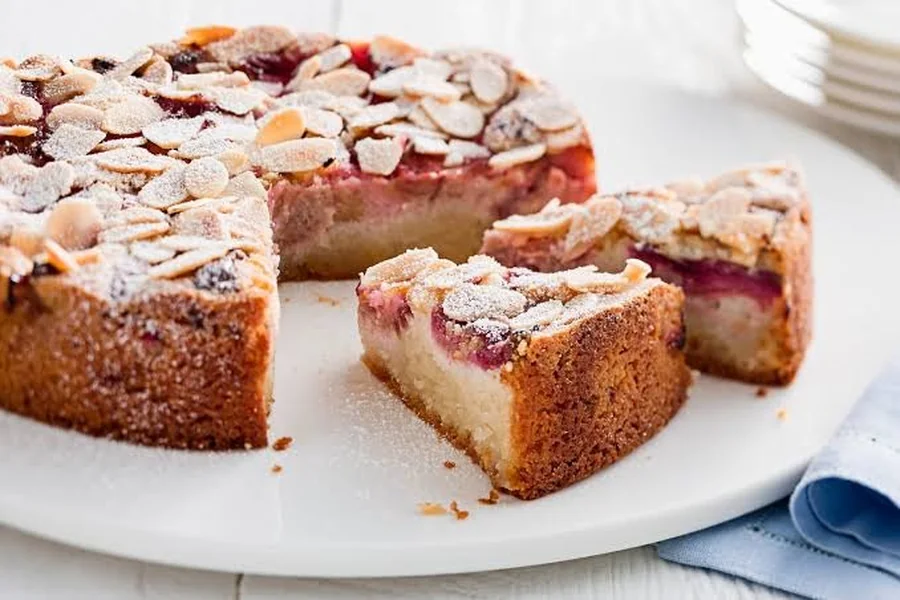
Most desserts are typically linked to the use of butter, milk, cream and wheat flour. During several years there were not a lot of choices of sweet treats by people, who avoided dairy or gluten. Now, more than ever, the world of Dairy And Gluten Free Desserts is more engaging than ever. Loans Inventive recipes and other substitute ingredients allow to make high-end and full-bodied desserts without losing their flavor and texture.
You need to handle food allergies, an issue with lactose intolerance, and live a gluten free life or just need a healthier choice of desserts and you can find a million ways to satisfy that sweet tooth. The use of modern baking methods and plant-based ingredients has enabled easy preparation of cakes, cookies, brownies, puddies, and frozen desserts that can be consumed by everyone.
The increasing popularity of allergy-friendly baking has inspired both amateur cooks and professional bakers to venture into trying new recipes. The dairy-free and gluten-free desserts are not regarded as an alternative anymore. Most individuals use them just because they taste superb.
Understanding Dairy-Free and Gluten-Free Desserts
These terms are used interchangeably so it is useful to see what they entail before swimming into the depth of most dessert ideas.
The milk-free dessert is made of no milk-based ingredients. This consists of regular milk, butter, cream, yogurt, and cheese. Rather, recipes are found to substitute with almond milk, coconut milk, oat milk, or plant-based butter.
A gluten-free uttering does not include wheat, barley, rye and others that are gluten containing. Gluten-free food products typically use alternative fats such as almond flour, coconut flour, rice flour, or gluten-free blended mixtures of flour.
Others are intolerant to dairy and gluten due to medical illnesses like lactose intolerance, celiac disease or food allergies. Others opt to take such desserts as a healthy way of living.
The most glaring myth is that dairy and gluten are directly removed, and it makes it flavorless. But in real life, there are numerous substitutes that add unbelievable flavors and texture to the desserts.
Compared to processed ingredients, natural foods like fruits, nuts, cocoa, maple syrup, and coconut products tend to be the highlights of such preparations, producing desserts that will seem decadent but may comply with dietary restrictions.
Popular Ingredients Used in Dairy-Free and Gluten-Free Baking
Successful cooking of desserts heavily relies on the ingredients that are used. Luckily, today there are numerous good alternatives.
Dairy alternatives made of plant-based milks have become very popular. The almond milk has a light taste, with coconut milk being rich and creamy. Another favorite is oat milk due to its non-leaving flavor and smooth texture.
To substitute butter, dairy free butter alternatives, coconut oil or avocado oil are used by many bakers. These components render some moistness and ensure the formation of soft textures in cakes and cookies.
In the case of flour, one of the most popular alternatives is almond flour. It provides moisture and a faintly nutty-taste. Another promising alternative is the use of coconut flour, though it takes in more liquid and needs modifications in the recipe.
Natural sweeteners are usually significant in allergy-free desserts. To add sweetness, maple syrup, honey, dates, and coconut sugar are typically employed, and provide distinctive flavors.
There are also numerous dairy-free alternatives to chocolate that chocolate lovers can enjoy. High-cocoa dark chocolate is commonly free of dairy, so it should still be important to verify the ingredient labels.
Many recipes are also flavored, texturized, and even nutritionally enriched by fresh fruits, nuts, seeds and nut butters.
The ingredients enable bakers to come up with desserts that are capable of satisfying as well as being fitting in numerous dietary-related choices.
Delicious Types of Dairy-Free and Gluten-Free Desserts
The great variety of this type of baking is one of the best things. Almost all traditional desserts are dairy-free and gluten-free.
Brownies are chocolate that is extremely popular. With a non-dairy chocolate and almond flour, bakers can produce brownies that are rich and sticky and compete with the conventional varieties.
Another favorite is cakes. With the assistance of coconut flour, almond flour, and gluten-free baking blends, it is possible to make a moist and tasty cake on birthdays, celebrations, and other special occasions.
Cookies can also be easily adapted. Peanut butter cookies, cookies made of almond flour, and cookies based on oat meal usually need not many replacements of components to be made not only dairy free but also gluten-free.
Frozen desserts are particularly appealing during warmer months. There is a popularity of coconut milk ice cream, as it provides a creamy texture of traditional ice cream, without the use of dairy products.
Fruits based desserts are also a fine choice. Natural sweetness and refreshing flavours include fresh berry crisps, baked apples, fruit parfaits and frozen banana treats.
Coconut cream, avocado, or chia seeds can be used to make puddings and mousses. These desserts tend to be surprisingly high in fat but could still fit in limited diets.
The diversity present today makes sure that the restrictions of the diet will not imply leaving favorite treats behind.
Benefits of Choosing Dairy-Free and Gluten-Free Desserts
Most of us first resort to the desserts due to dietary choices, however, we mostly find other advantages in the process.
Accessibility is one of the benefits. Cooking desserts to parties implies two beneficial aspects that should be taken into consideration: first, one can cook using allergy-free ingredients to provide more people with the same food but not be concerned about allergic reactions.
Whole-food ingredients are also highlighted in many recipes. Plant-based substitutes, fruits, nuts, and seeds often take the place of highly-processed ingredients, which creates the lighter and healthier feeling of a dessert.
Lactose-intolerant / gluten-sensitive people can use these desserts to eat without causing digestive problems but still satisfy cravings.
Diversity of ingredients is another advantage. Baking is traditionally based on the same basis of ingredients, but dairy-free and gluten-free products prompt the exploration of other types of flour, sweetener, and flavor mixtures.
A nutritional enhancement within some of the recipes is also valued by many. Although desserts still need to be consumed in subtle amounts, certain varieties have more fiber, healthy fats, and nutrient-dense food substances as compared to their standard versions.
Most importantly, perhaps, these desserts serve to show that diet can be fun. These inventive recipes enable individuals to have special days out and enjoy sweets without being out.
Tips for Making Better Dairy-Free and Gluten-Free Desserts
Baking tasty gluten and dairy-free desserts involves a bit different process as compared to the conventional baking.
It is crucially important to know how ingredients behave. Other types of flours can not always take in moisture as wheat flour does, so recipes can be forced to be changed to achieve the same texture.
Adherence to recipes that have been tested is especially essential to beginners. This is because gluten is important in structure and texture, as substitutions are not always appropriate without a lot of planning.
Using a combination of other gluten-free flours can be fruitful than using a particular type of flour. Some bakers, especially those with experience, rely on blends of special formulated flour which replicate the behavior of regular flour.
Another key consideration is moisture management. Adding ingredients like applesauce, mashed bananas and coconut yogurt would help keep the softness and make baked goods not to dry out.
Noticeable difference is also made due to quality ingredients. (Fresh nuts, good quality cocoa powder, pure vanilla extract, and fine dairy-free chocolate can be added as a significant improvement to the taste).
Time is also crucial. Probably, before mastering a recipe, numerous trials must be made and quite often it will be worth it.
Home bakers could become as skilled in producing desserts to compete or even surpass classic versions, with practice and experimenting.
Read More: Fun Outdoor Games For Adults at Parties and Gatherings
Final Thought
Dairy And Gluten Free Desserts have gone beyond being an unsurprising alternative products to a bright and flavorful branch of baking. With the new ingredients and innovative recipes, people are no longer required to make a decision between requirements and nutritive qualities and having good and cozy dishes.
Starting with chocolate brownies and creamy frozen desserts, there are also numerous variations to suit all taste preferences as the list of elegant cakes and the creations based on fruits. These desserts are versatile, inclusive, and come with the ability to use new, and exciting ingredients.
Not just limited to health benefits, whether you are detoxing or reducing dairy and gluten or maybe you just want to broaden your baking horizons, these desserts will show you that big flavor doesn’t necessarily require standard ingredients. Anyone can make the right sweets to be satisfying, delicious, and accommodating.
FAQs
What are dairy-free and gluten-free desserts?
These are desserts made without dairy products such as milk, butter, or cream and without gluten-containing grains like wheat, barley, or rye.
Can dairy-free and gluten-free desserts taste as good as traditional desserts?
Yes. Modern recipes and high-quality alternative ingredients can create desserts that are just as delicious and satisfying as traditional versions.
What flour is commonly used in gluten-free desserts?
Almond flour, coconut flour, rice flour, and gluten-free flour blends are among the most commonly used alternatives.
Is dark chocolate dairy-free?
Many dark chocolate products are naturally dairy-free, but it is important to read labels carefully because some brands may contain milk ingredients.
What is the best dairy substitute for baking desserts?
Coconut milk, almond milk, oat milk, and plant-based butter alternatives are popular choices depending on the recipe.
Are dairy-free and gluten-free desserts healthier?
Not necessarily. While some recipes contain more nutrient-dense ingredients, desserts should still be enjoyed in moderation regardless of whether they are dairy-free or gluten-free.