
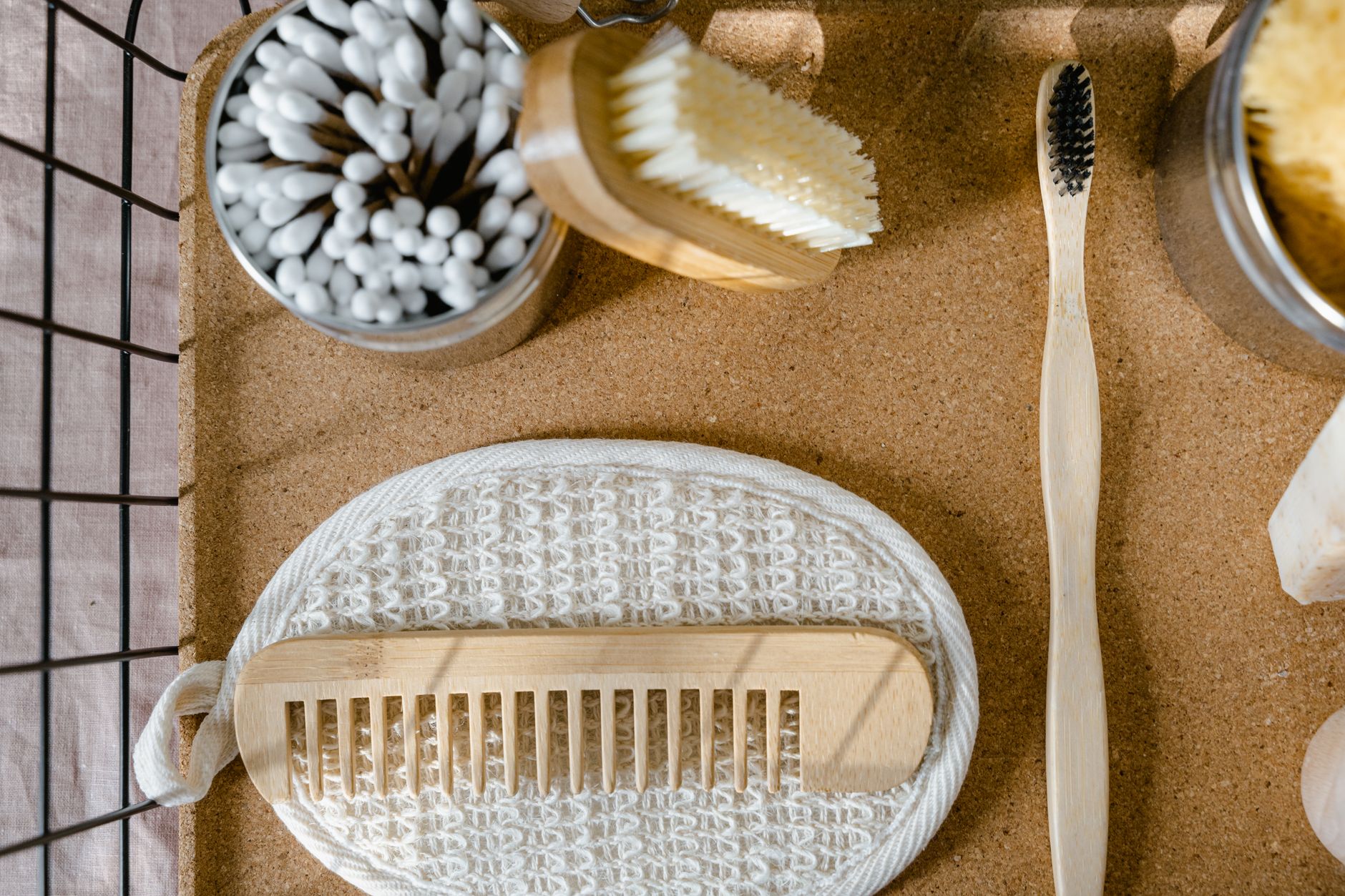
Sustainability has moved from a niche concern to a mainstream priority for many Australian households, and the bathroom is one of the more overlooked places to make a genuine difference. Between water usage, paper product consumption, and energy-hungry fixtures, this small room often has a surprisingly large environmental footprint relative to its size.
The encouraging news is that making a bathroom more eco-friendly rarely requires a complete overhaul. A handful of thoughtful, well-chosen changes can meaningfully reduce resource use while also improving comfort and hygiene at the same time.
Understanding Where Bathroom Resource Use Adds Up
Before making any changes, it helps to understand where the biggest opportunities for improvement actually lie. Water usage from toilets and showers, ongoing consumption of paper products, and the energy required to heat water all contribute significantly to a bathroom's environmental impact over the course of a year.
Many households focus exclusively on obvious fixes like shorter showers, while overlooking other changes that can deliver comparable or even greater savings with far less daily effort or lifestyle adjustment required.
Rethinking Paper Product Consumption
Paper products represent a significant, ongoing environmental cost that many households rarely stop to consider. Manufacturing, packaging, and transporting these products consumes considerable resources, and the cumulative impact across millions of households adds up to a substantial environmental footprint over time.
Switching to a bidet toilet setup addresses this directly by significantly reducing reliance on paper products for daily hygiene. Beyond the environmental upside, many households find the resulting clean feels more thorough, making this one of the more effective changes available for a genuinely eco-conscious bathroom.
Considering Water Efficiency Alongside Sustainability Goals
It is a common misconception that water-based cleaning automatically means higher water usage overall. In practice, the amount of water used during a quick cleaning cycle is relatively modest, particularly when compared against the water, energy, and raw materials consumed in manufacturing an equivalent volume of paper products over the same period.
Pairing this kind of upgrade with other water-efficient fixtures, such as low-flow showerheads or dual-flush toilets, compounds the overall environmental benefit without requiring any significant compromise to daily comfort or convenience.
Choosing Products With Genuine Environmental Credentials
Not all products marketed as eco-friendly deliver on that promise equally. Look for genuine efficiency ratings, transparent information about materials used, and evidence of responsible manufacturing practices rather than relying on vague green marketing claims that lack any specific, verifiable detail behind them.
Reading independent reviews and checking for recognised certifications, where available, helps separate products with genuine environmental credentials from those simply capitalising on growing consumer interest in sustainability without a real difference to back it up.
Building Sustainable Habits Around New Fixtures
Even the most efficient fixtures deliver less benefit if household habits do not support their intended use. Taking a little time to understand how new bathroom fixtures work, and adjusting daily routines accordingly, ensures the environmental benefits are actually realised rather than left on the table through unfamiliarity or inconsistent use.
Involving the whole household in this transition, rather than assuming everyone will adapt automatically, helps establish consistent habits more quickly and ensures the full household benefits from the change rather than just the person who initiated it.
Calculating the Real Long-Term Savings
Many households underestimate just how much a genuinely eco-friendly bathroom setup can save over several years, both in terms of household bills and reduced ongoing purchases of paper products. Tracking spending before and after making these changes gives a clear, motivating picture of the real financial benefit alongside the environmental one.
This kind of tracking also helps identify which specific changes delivered the greatest impact, providing useful guidance for households considering further sustainability upgrades elsewhere in the home once the bathroom improvements have proven their worth.
Making the Change Feel Effortless
The households most successful at maintaining eco-friendly bathroom habits tend to be those who make the change feel effortless rather than like an ongoing sacrifice. Choosing well-designed, comfortable fixtures rather than the cheapest available option makes a genuine difference to how easily new habits stick over the long term.
Once a sustainable setup feels just as convenient as, or even more convenient than, the previous routine, households rarely feel any temptation to revert, which is ultimately what makes these changes genuinely lasting rather than a short-lived experiment.
An eco-friendly bathroom does not require sacrificing comfort or convenience. Thoughtful choices around paper product use, water efficiency, and genuinely sustainable fixtures can meaningfully reduce a household's environmental footprint while often improving the daily experience at the same time.
For households looking for a practical starting point on their broader sustainability journey, the bathroom offers one of the more accessible and rewarding places to begin, with benefits that are felt daily rather than only in the abstract. Small, consistent choices here genuinely add up to a meaningful difference over time.