

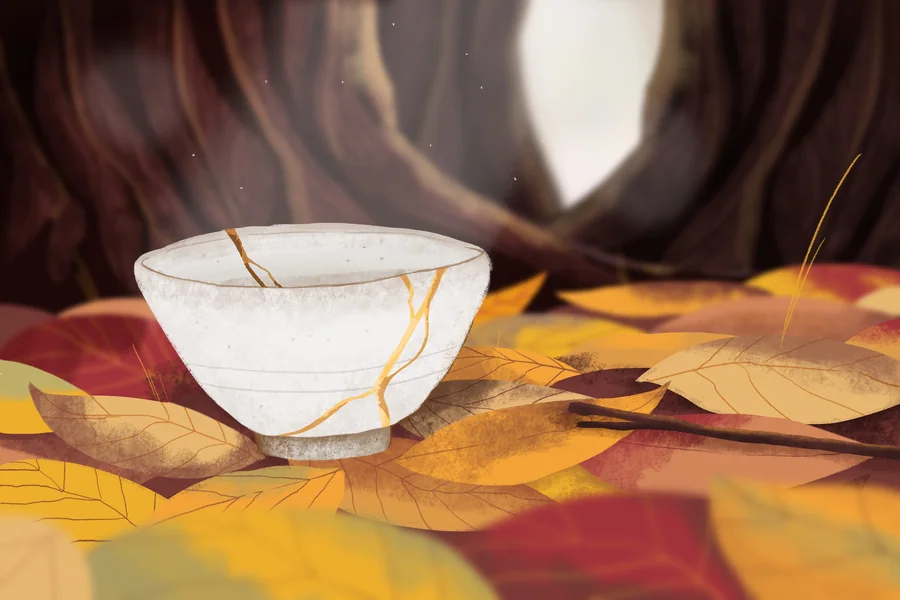
In a place, where beauty is glorified, where everyone wants to seem better than they really are, and where perfection and excellence are the prevailing virtues everyone longs to, aspects of life that suggest a different approach to the world are very attractive to the majority of the population. What Is Wabi-sabi is one of those concepts and a question that is receiving more and more attention as individuals desire to live, create and experience beauty in a more meaningful and authentic way.
Wabi-sabi is a Japanese traditional philosophy that expresses the simple, imperfect and impermanent. Instead of being committed to perfect designs or other unattainable ideals, it helps individuals to gain beauty in the process of natural aging, irregularity, and time.
This philosophy is not only a matter of art and design. It has an effect on architecture, interior decoration, personal development, relationships and daily living. Wabi-Sabi teaches that nothing is everlasting, nothing is ever complete, and nothing is perfect. It does not oppose these realities but calls us to enjoy them.
The idea may appear challenging to nail down to a set of actions or ideas, but it has principles that still appeal to people in various places in the world who are looking to find a balance, be mindful, and more connected with the present moment.
The Origins and Meaning of Wabi-sabi
In order to comprehend wabi-sabi, it is better to analyse these two elements.
Historically, the word “wabi” referred to a simple and humble way of living. It focused on contentment, humility, and a sense of enjoying the more sedate joys in life. The meaning changed over time to embrace beauty in simplicity and naturalness.
The word sabi had its meaning connected with age and time flow. Instead of considering aging a bad thing, sabi emphasizes the beauty that comes with use, weathering, and experience.
Collectively, these concepts have become a philosophy where perfection is not as important as authenticity. Wabi-sabi promotes the value of things, places and experiences that are natural and imperfect.
The idea gained a strong relation to Japanese aesthetics and Zen Buddhism. The wabi-sabi principles are applied in many of the traditional Japanese arts, such as tea ceremonies, pottery, gardening, and architecture.
Rather than working towards refined excellence, artists are taught to enjoy small things, silent simplicity, and the aesthetics of change.
This culture still shapes the Japanese culture and has acquired worldwide reputation.
The Core Principles of Wabi-sabi
Nevertheless, there is no single definition of wabi-sabi, which describes all the characteristics of the philosophy, though, some major principles can be used to explain the philosophy.
The most familiar aspect is likely to be imperfection. Wabi-sabi accepts the irregularities and flaws as natural aspects of life. Unless it is a defect, cracks, asymmetry, and wear also introduce character and meaning.
Another main principle is impermanence. Everything evolves with time. Objects grow old, seasons are changing and life is in a constant state of flux. Wabi-sabi teaches people to accept this fact and not to fight against it.
It is also significant that it is simple. Instead of amassing needless complexity, the philosophy cherishes simplicity, conciseness and fundamental elegance.
Verisimilitude is also crucial. True contents, craftsmanship and forms of nature are commonly preferred to unnatural perfection.
These principles are interrelated through mindfulness. To see an imperfection, one has to slow down and listen to those details that one would otherwise overlook.
Such values develop an impression that is very opposite to the current values on perfect appearance and continuous optimization.
Wabi-sabi encourages individuals to accept things the way they are and do not strive to achieve unattainable perfection.
Wabi-sabi in Art, Design, and Architecture
The wabi-sabi can be traced especially in the creative worlds.
One of the most well known examples is provided by traditional Japanese pottery. Ceramics that are hand made usually have irregular forms, unequal surfaces and slight flaws that indicate how the artist made them and the natural qualities of clay.
This philosophy is well reflected in the tradition of mending broken pottery with visible seams. Instead of concealing damage, the repairs are included in the narrative and personality of the object.
Wabi-sabi-inspired architecture tends to focus on natural resources, including wood, rock, clay and bamboo. These substances evolve and acquire textures and patinas that improve their look.
Wabi-sabi-inspired interior design has a tendency towards uncluttered interior, muted color, and a kept variety of objects that may have a personal meaning.
These environments usually feature natural light, organic shapes, and handcrafted items.
Instead of designing spaces to seem flawless and inaccessible, wabi-sabi interiors can be comfortable, cozy, and inviting.
It does not aim at luxuriousness as we understand it but at harmony, balance, and authenticity.
These principles of design are still commendable to architects and designers worldwide.
Applying Wabi-sabi to Everyday Life
Wabi-sabi does not belong to the art and aesthetics. It is also capable of affecting the way individuals tackle everyday living.
Embracing imperfection also lessens unwarranted stress to many individuals. The pursuit of perfection may be frustrating and dissatisfying. Wabi-sabi promotes embracing constraints and flaws as a normal part of existence.
This attitude can enhance relationships too. It is important to understand that individuals are not perfect, which makes it possible to be more compassionate and understanding.
Wabi-sabi helps us in personal development by reminding us that progress take time and sometimes may not be full. Growth also does not mean that there should be a perfect performance; it means being patient and persistent.
The philosophy also promotes gratitude. The act of being appreciative of simple things and the common occurrences that surround us is quite likely to make us realize that there is beauty in our lives that is going on unrecognized.
Mindful living is pretty similar to wabi-sabi. By slowing down and becoming conscious of now, it is possible to gain more appreciation of daily experience.
Instead of seeking continuous improvement, people are being taught to appreciate genuineness and equilibrium.
These teachings render wabi-sabi applicable much more than the cultural context under which it originated.
Why Wabi-sabi Resonates in Modern Society
The increased popularity of wabi-sabi can be associated with the general trends in the culture.
In the contemporary world, productivity, competition, and perfection are usually valued. The social media sites often convey the idealized images of reality that can lead to unrealistic expectations.
Most individuals get pressurized to deliver perfect outcomes in their work place, relationships and personal lives.
Wabi-sabi provides a different point of view. It indicates that there is no dependence on perfection on beauty and value. Instead, they are a result of genuineness, experience, and acceptance.
The philosophy is also compatible with the increase of popularity of minimalism, mindfulness, sustainability, and purposeful living.
Consumers are becoming more and more interested in meaningful experiences, not just being consumed all the time. Wabi-sabi is an ideology that helps to embrace what is present.
The environmental issues have also given rise to the popularity of repairing, reusing and appreciating objects instead of always buying new ones.
The focus on simplicity and sustainability is quite popular in the modern world.
Consequently, wabi-sabi still appeals to individuals in need of realignment and vision.
Bringing Wabi-sabi Into Your Home
Wabi-sabi can be introduced to many people first by home design.
To make the space inspired by wabi-sabi, it is not necessary to make significant renovations or buy a lot of stuff. The philosophy is more concerned with purpose rather than the outward look.
Wood, linen, stone and ceramics are types of natural materials that can be used to give the impression of the warm and natural.
It is better not to clutter a room with some decorative objects but to choose those that have the purpose or carry some personal meaning to you.
Do not hide indicators of usage and that of age where it is proper. Scratches, patina and hand crafted blemishes can add to a feeling of personality.
Neutral colors and soft lighting may form a tranquil atmosphere that will encourage reflection and relaxation.
Wabi-sabi settings are also naturalistic, including plants and other elements of nature.
It is not to design an ideal environment but a warm one that is also true to life and values the rhythms of nature itself.
Even slight adjustments can assist in the implementation of these principles in real-life.
Read More: Fun Outdoor Games For Adults at Parties and Gatherings
Final Thought
What Is Wabi-sabi? It is essentially a philosophy that at its core, teaches humans to be beautiful in their flaws, embrace simplicity, and embrace the cycle of nature. In place of unattainable ideals of perfection, wabi-sabi can teach one that authenticity and impermanence are both precious assets to be treasured.
Its impact is observable in art and architecture, design, mindfulness, and self-development. More to the point, it presents a refreshing view in a world where perfection and continuous success are mostly prioritized.
With the concept of learning to embrace imperfections, prioritizing meaningful moments, and harnessing the current moment, people may develop a greater degree of contentment and harmony.
Wabi-sabi teaches us that life cannot be perfect. It is often beautiful in its imperfections and changes in its experiences that render every moment special.
FAQs
What does wabi-sabi mean?
Wabi-sabi is a Japanese philosophy that embraces imperfection, simplicity, authenticity, and the natural passage of time.
Is wabi-sabi a design style or a philosophy?
It is both. Wabi-sabi originated as a philosophy but has strongly influenced art, architecture, interior design, and lifestyle practices.
How is wabi-sabi different from minimalism?
While both value simplicity, wabi-sabi specifically embraces imperfection, aging, and natural change rather than focusing solely on reducing possessions.
Can wabi-sabi be applied to everyday life?
Yes. Many people use its principles to practice mindfulness, reduce perfectionism, appreciate simple pleasures, and cultivate gratitude.
Why is wabi-sabi becoming popular?
Its emphasis on authenticity, balance, and acceptance resonates with people seeking alternatives to modern pressures related to perfection and constant productivity.
What are examples of wabi-sabi?
Examples include handmade pottery, weathered wood, aged materials, natural landscapes, and everyday objects that show signs of use and history.