

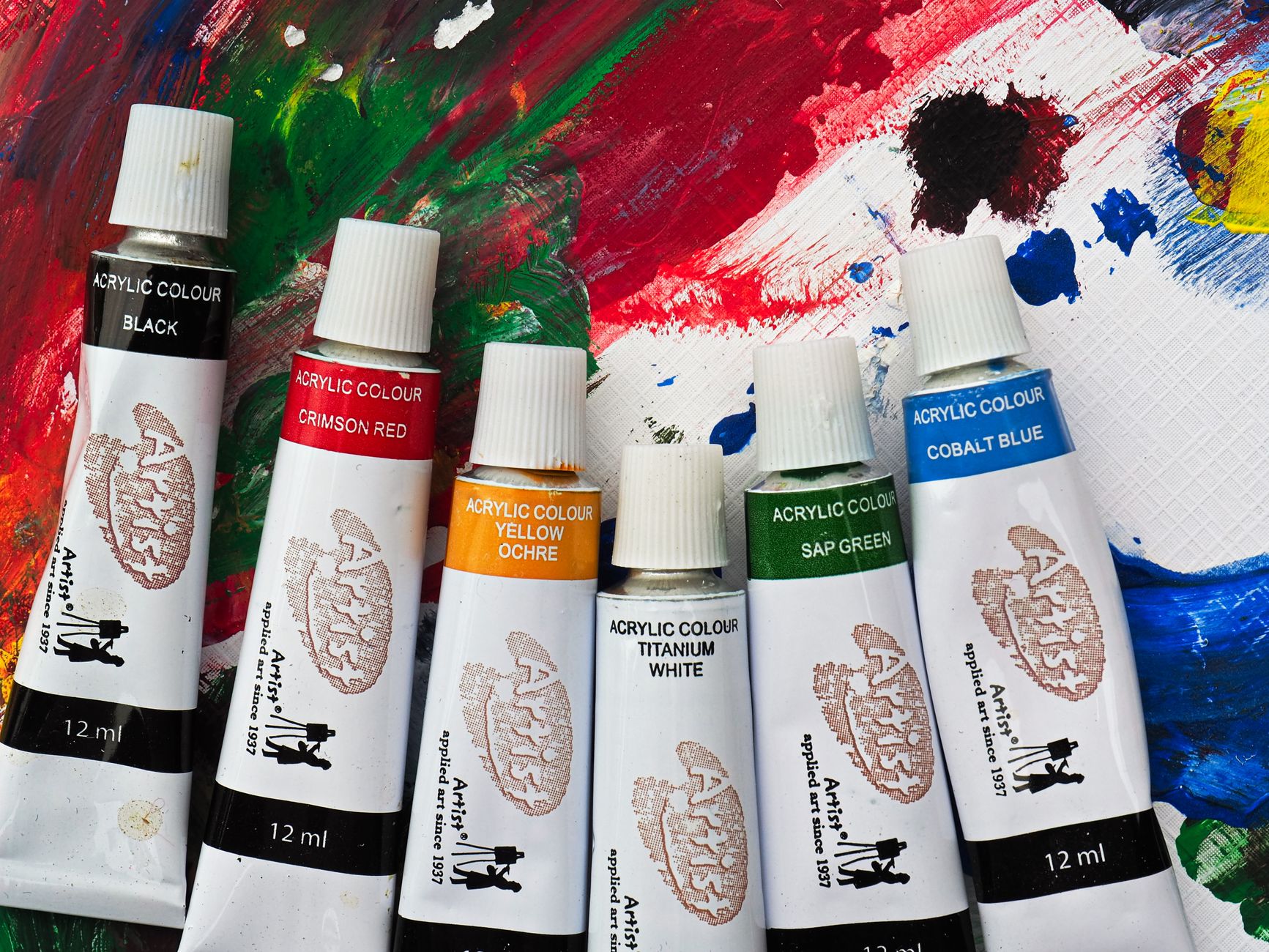
The next material of importance in chemical engineering is titanium dioxide (TiO2). Titanium dioxide is an integral component in various everyday life items; this is seen in how it is the principal ingredient in your toilet pipes, it is the pigment in the wrapping of your food, and it is the sunblock that you apply to your skin.
Why Titanium Dioxide Matters
TiO₂ has an extremely high refractive index, about 2.7 in the case of rutile modification. This gives it very high light scattering efficiency when compared to any other white pigment. Just a thin film of this dispersed pigment is enough to make any transparent or colored compound become opaque and white. Besides that, this compound is chemically inert and does not react with most plastics and other compounds.
Production Routes and Crystal Forms
In industry, TiO₂ production is achieved via two processes – sulfate process and chloride process. In the sulfate process, titanium dioxide rutile containing ores are digested with sulfuric acid, whereas in the chloride process, feedstock is converted into titanium tetrachloride before oxidation at high temperature. Each process has different costs, environmental aspects, and features of the final product.
The two commercially available crystalline structures include anatase and rutile. While the anatase form of TiO₂ is softer and bluer, it is more photochemically reactive than the other. On the other hand, the rutile form of TiO₂ is denser and less prone to weathering effects than the anatase form. It is because of this reason, the rutile form of TiO₂ is predominantly used in exterior uses.
Applications in Plastics
Plastics are one of the largest consumers of titanium dioxide. Titanium dioxide is used in PVC window profiles, pipe materials, polyolefin films, engineering plastics, and other consumer goods. In such systems, titanium dioxide performs multiple functions beyond just adding color to the plastics:
- Opacity and whitening: it covers the inherent yellowness or translucence of the basic polymers.
- Protection against UV light: it absorbs and reflects UV light, which increases the life of plastic products outside.
- Color stability: it gives reproducible color from batch to batch.
The majority of plastic manufacturers use TiO₂ as a pigment in masterbatches, where the pigment is concentrated in a polymer carrier to make dosage easy. The dispersion is of crucial importance as an uneven distribution results in speckles and waste. Therefore, surface-treated forms of TiO₂, usually covered with alumina and silica, are used.
Applications in Packaging
TiO₂ is utilized to provide a clean white finish for films, bottles, cartons, and coatings. It also provides a practical application as a very effective light-blocking white coating that can protect light-sensitive materials like dairy products and medicines. A white TiO₂ layer is used as the base in printing inks and coatings in order to create the opaque background for graphics and colors. Multilayered films have a TiO₂-filled layer that acts as the inner opaque barrier but keeps the outer surface of the film smooth for printing. For the packaging converters, the size distribution, dispersibility, and thermal stability of TiO₂ pigments are the most important selection criteria.
Applications in Cosmetics and Personal Care
The cosmetic value of TiO₂ lies in its high opacity, brightness, and biocompatibility. The material is incorporated into makeup foundation, powder, cream, and lotion products. As an active ingredient in sunscreens, TiO₂ acts as a mineral (physical) sunscreen and provides UV protection through UV reflection and scattering. Often, it is used together with zinc oxide to provide full-spectrum sun protection. Materials used in cosmetics have specific purity, particle size, and surface treatment characteristics, which vary from region to region. The formulator should always ensure that the grade meets regional requirements.
Choosing the Right Grade
There is no one grade of TiO₂ that will fit all requirements. In choosing a particular material, the technical people consider the following:
- Crystalline form: rutile for its durability and weather resistance, anatase for special requirements like low abrasiveness or optics.
- Surface treatment: alumina, silica, or organic coatings to aid in dispersibility and to minimize photoactivity.
- Particle size and distribution: because these will have a direct bearing on the opacity, gloss, and tinting strength.
- Purity and conformity to standards: particularly for those used in food packaging and cosmetics.
- Availability: consistent quality and reliable delivery of the material in batches.
It definitely helps if the manufacturer is working with a knowledgeable supplier of titanium dioxide suppliers. A supplier can provide technical data and application information to prevent trial and error in manufacturing processes.
Looking Ahead
Demand for TiO₂ keeps rising along with the plastic, packaging, and cosmetics industry; however, the pressure on manufacturers and consumers also keeps mounting due to sustainability requirements, energy efficiency in production, new regulations, and the need to cut down the amount of TiO₂ while maintaining the same performance.
Whichever area of expertise you have, be it polymer compounding, film extrusion, or cosmetic production, knowledge about the behavior of TiO₂ and the choice of its grade will impact the quality of your products, their cost, and durability. For more information about different grades, please visit tio2manufacturer.com.